UNESCO World Heritage Sites
in India — Complete Guide
Everything you need to know for competitive exams — GK, MCQs, Important Points & Current Affairs
United Nations Educational, Scientific and Cultural Organization — Key facts at a glance
Full Name
United Nations Educational, Scientific & Cultural Organization
Established
November 16, 1945
Headquarters
Paris, France
Members
194 Countries + 11 Associate Members
India Joined
1946
Director General
Khaled El-Enany (Egypt)
World Heritage Treaty
Adopted 1972, In Force 1975. India signed: 1977
World Heritage Day
18 April (every year)
⭐ Important Points about UNESCO
- World Heritage Day is celebrated on 18 April. In 1982, ICOMOS declared it; in 1983, UNESCO General Assembly approved it.
- World Heritage Week is celebrated in India on 19–25 November.
- Theme 2026: “Emergency Response for Living Heritage in contexts of Conflicts and Disaster”
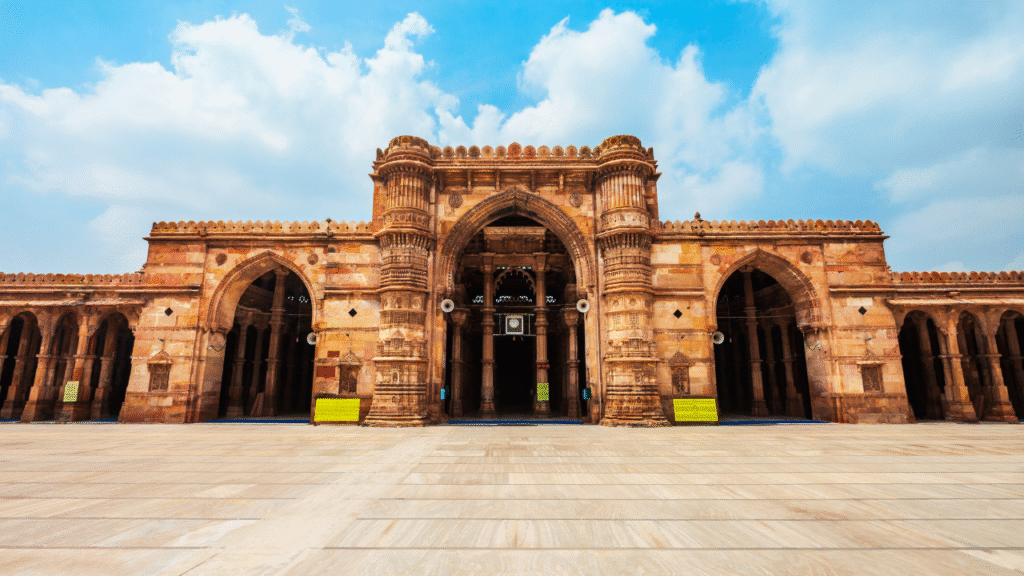
- India’s first World Heritage City: Ahmedabad (Gujarat)
- State with maximum World Heritage Sites in India: Maharashtra (6 sites)
- Country with the most World Heritage Sites: Italy (60 sites)
- India’s rank globally: 6th (43 sites as of July 2024, now 44 with Maratha Military Landscapes 2025)
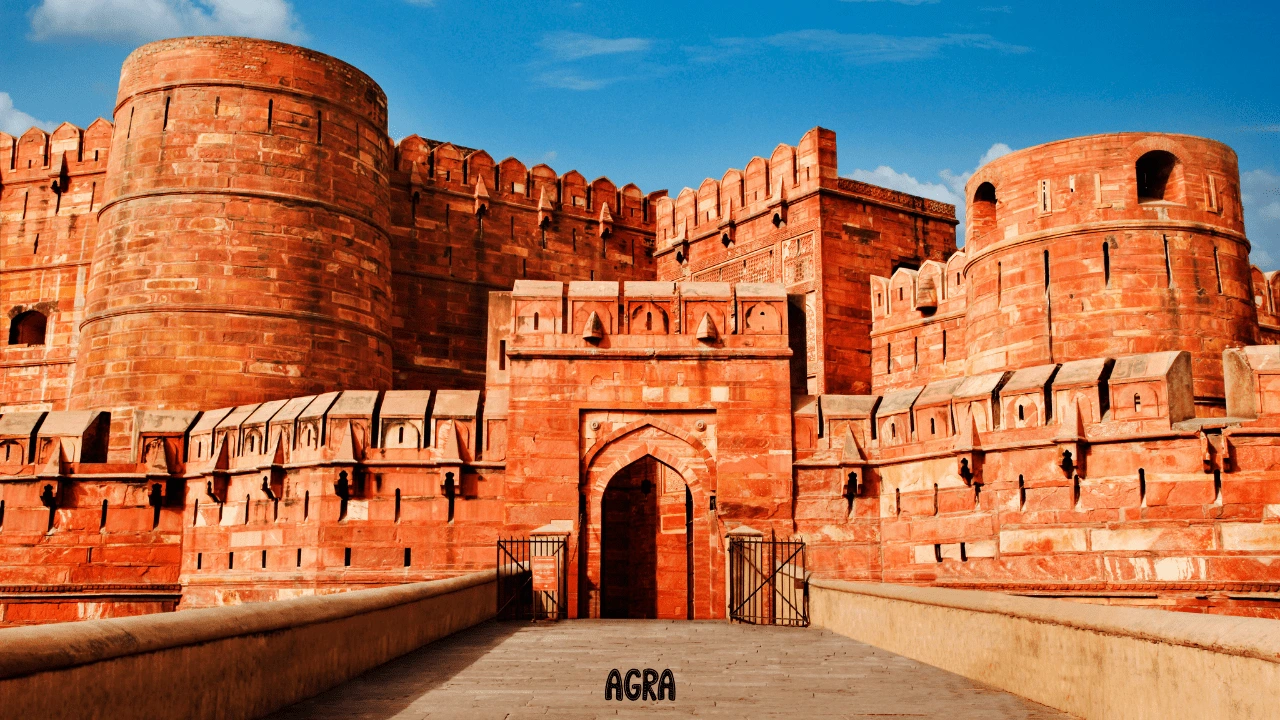
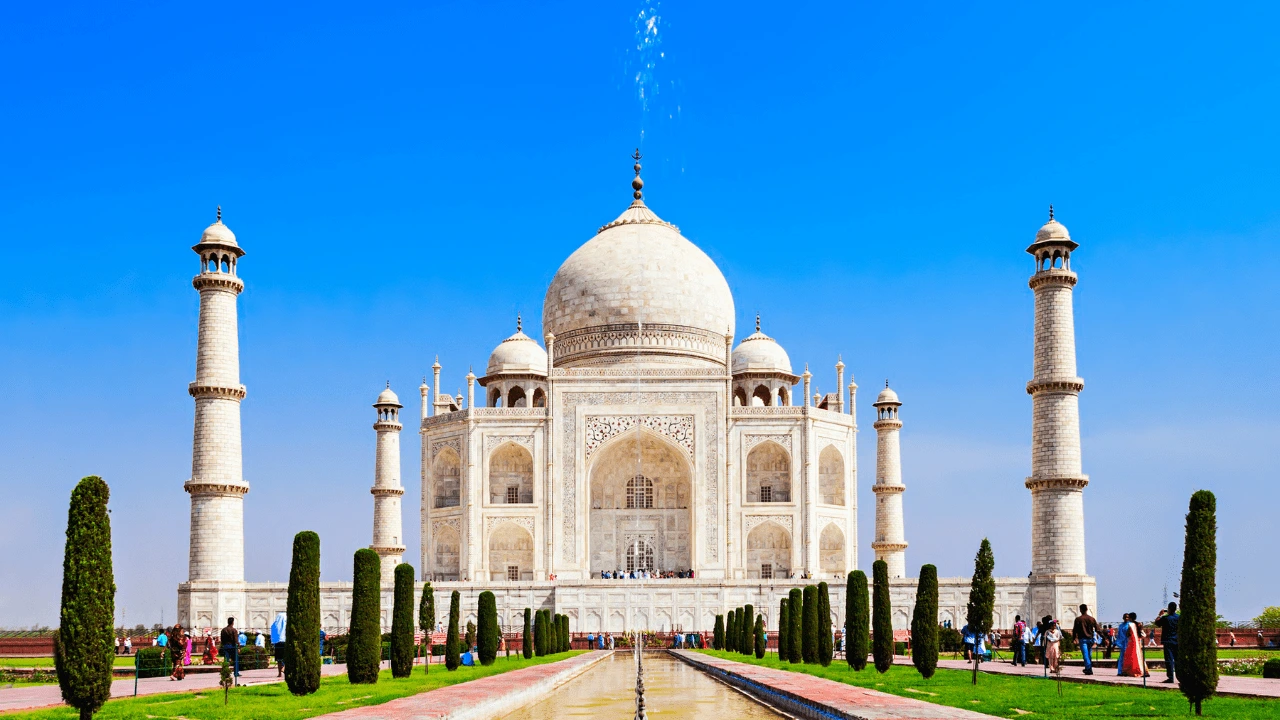
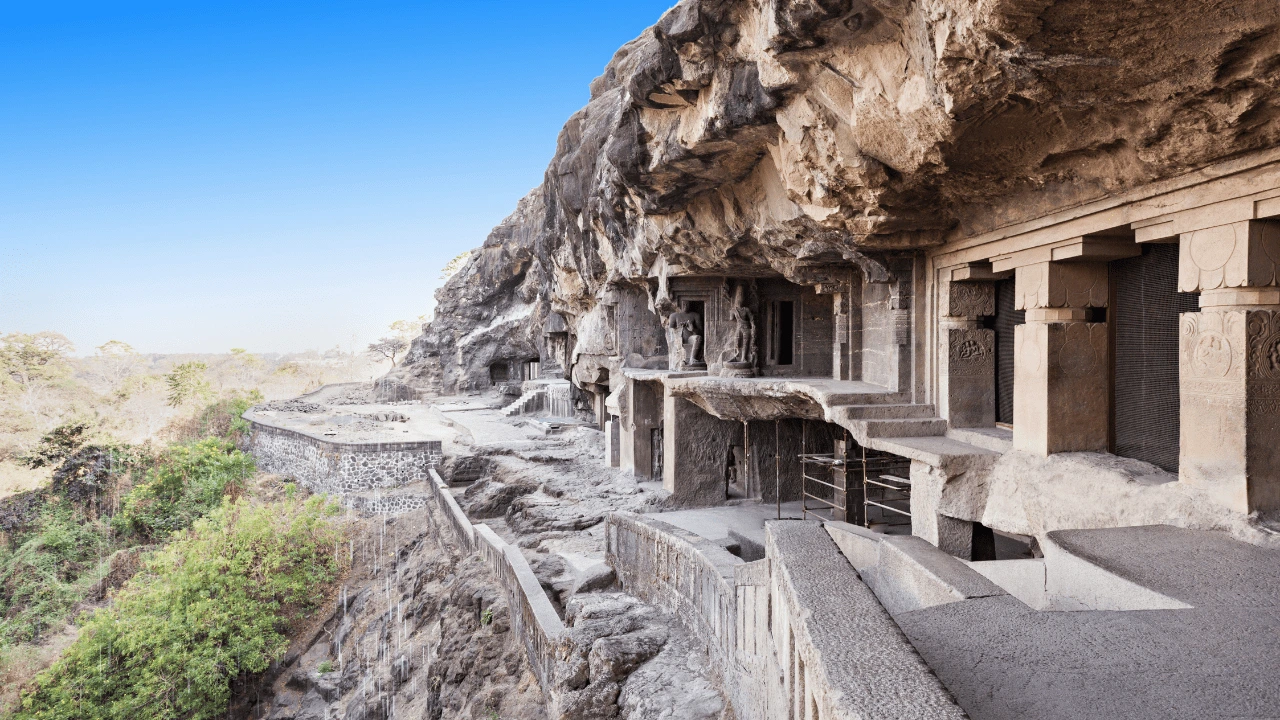
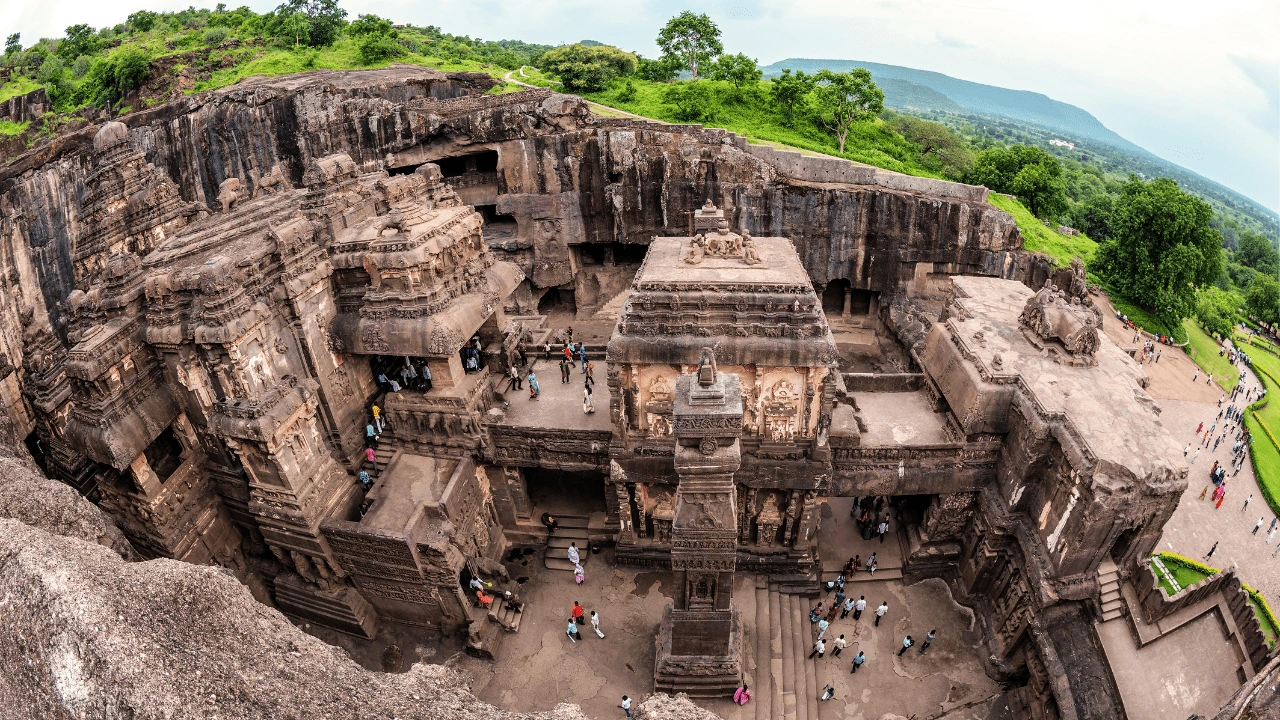
First 4 sites inscribed in 1983: Taj Mahal, Agra Fort, Ajanta Caves & Ellora Caves
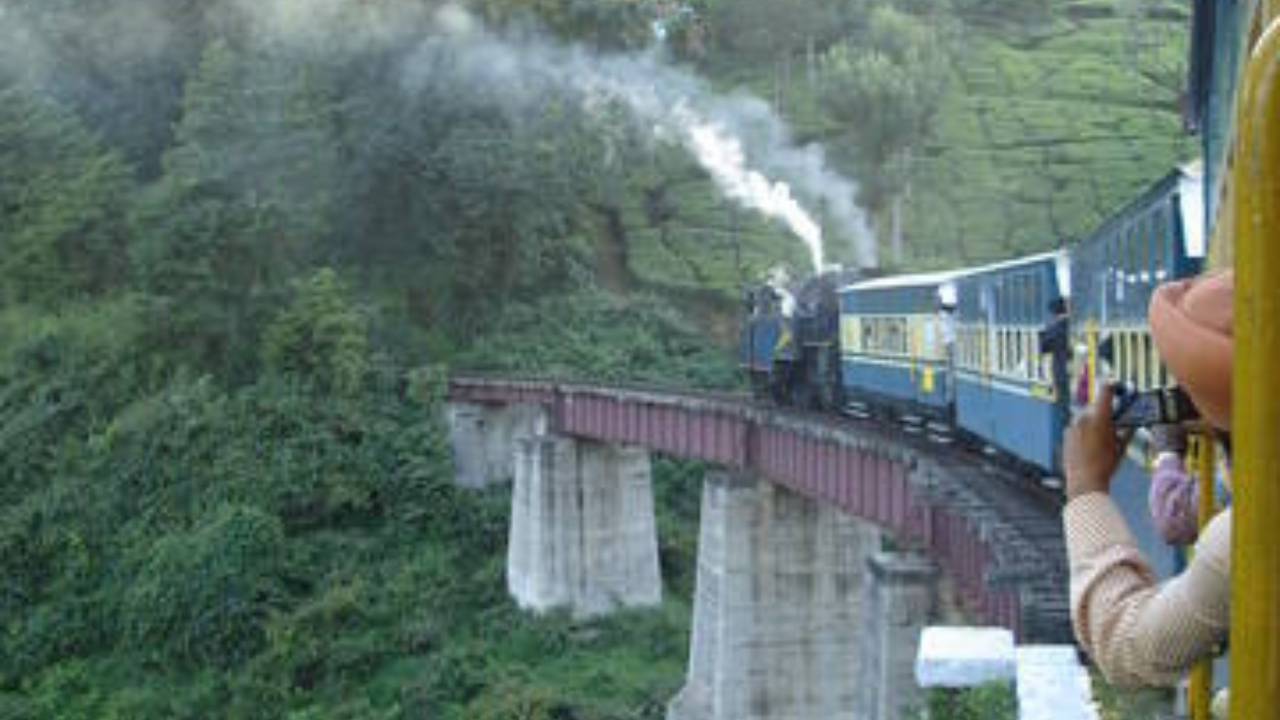
All three mountain railways of India that are UNESCO World Heritage Sites
| # | Heritage Railway | State | Year Inscribed |
|---|---|---|---|
| 1 | Darjeeling Himalayan Railway | West Bengal | 1999 |
| 2 | Nilgiri Mountain Railway | Tamil Nadu | 2005 |
| 3 | Kalka-Shimla Railway | Himachal Pradesh | 2008 |
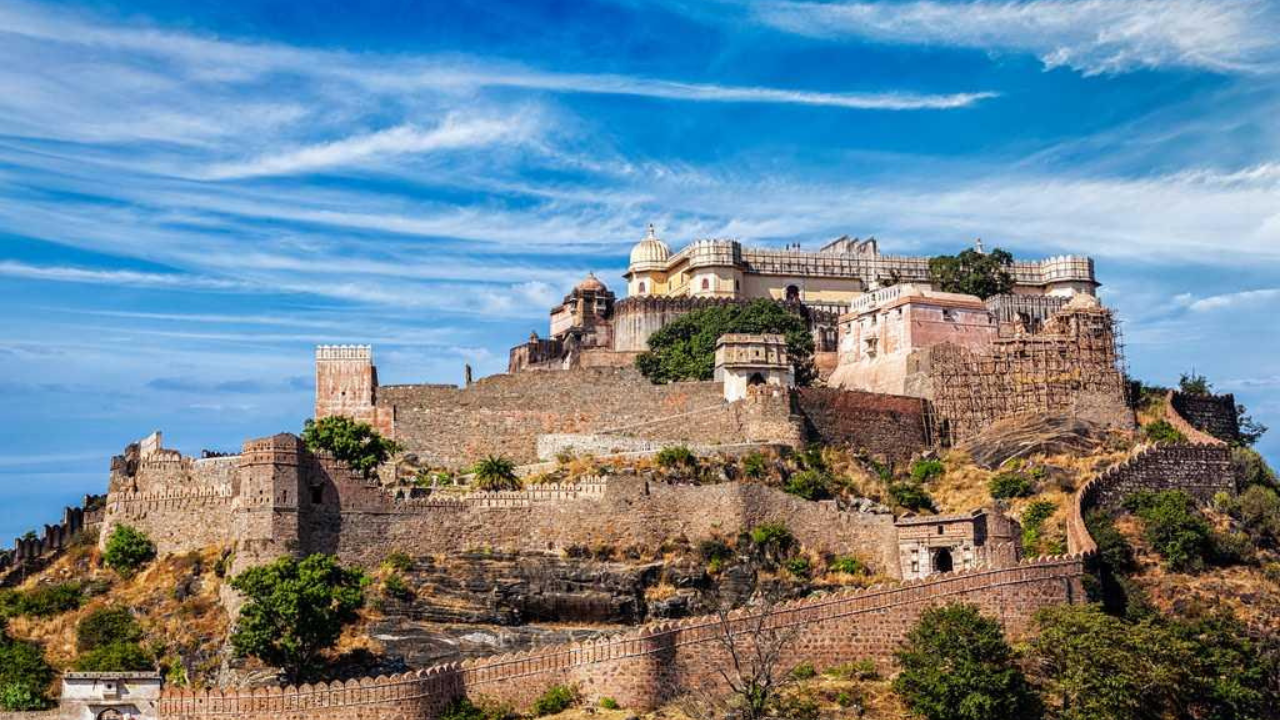
All inscribed together in 2013 as “Hill Forts of Rajasthan”
Quick revision facts — must remember for competitive exams
🏛️ Famous Monuments — Key Facts
- Taj Mahal: White marble mausoleum in Agra, built by Mughal emperor Shah Jahan for wife Mumtaz Mahal. Construction: 1632–1653.
- Agra Fort: Also known as “Red Fort of Agra”, built by Akbar in mid-16th century on banks of river Yamuna.
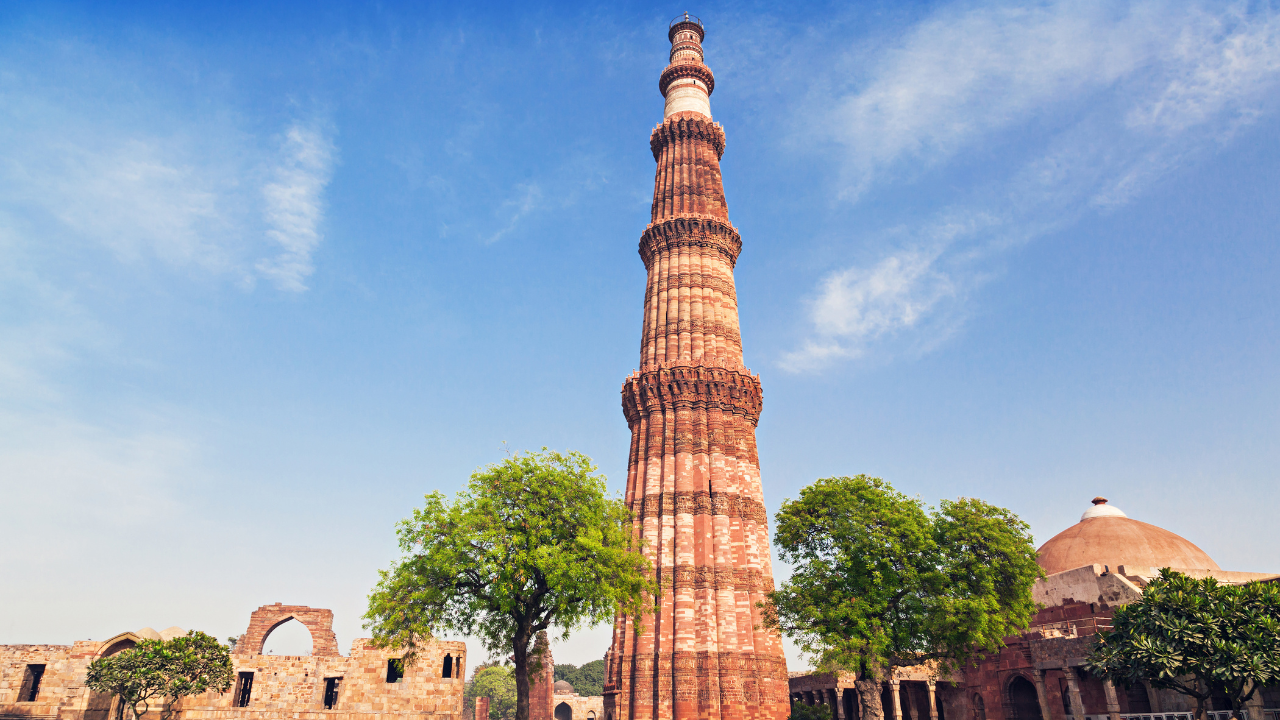
- Qutub Minar: Construction started by Qutub-ud-din Aibak in 1193. Has 5 floors. Delhi UT.
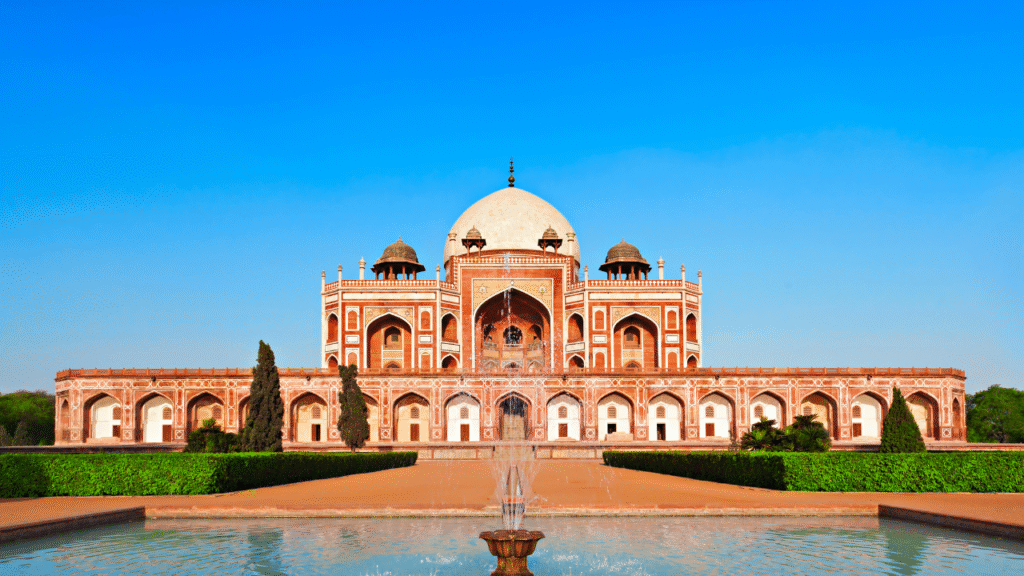
- Humayun’s Tomb: In Delhi. Built by Humayun’s wife Maharani Bega Begum (Haji Begum). Construction: 1565–1572.
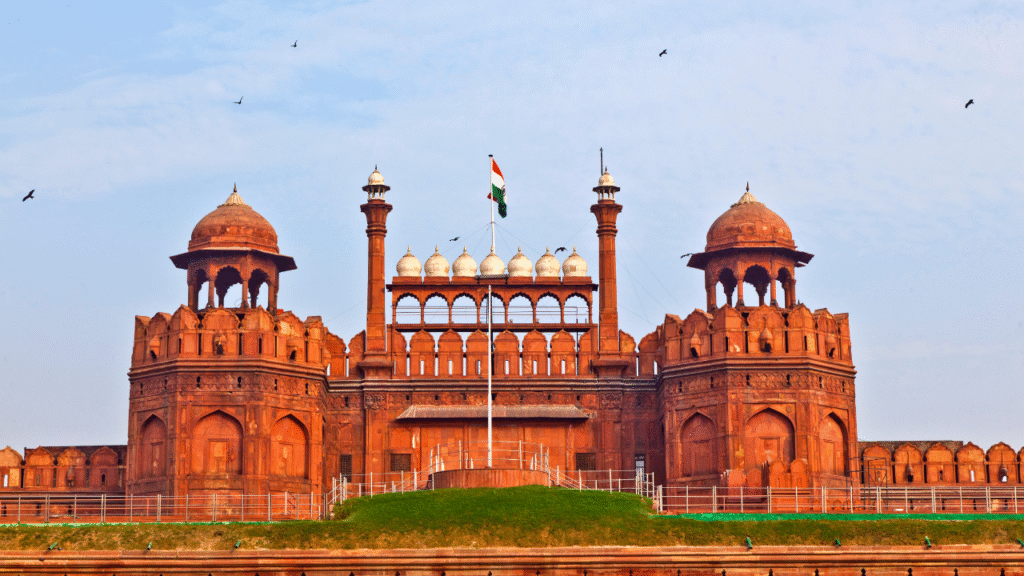
- Red Fort: Built by Mughal emperor Shah Jahan. Has Indo-Islamic and Mughal architectural styles. PM gives Independence Day speech here.
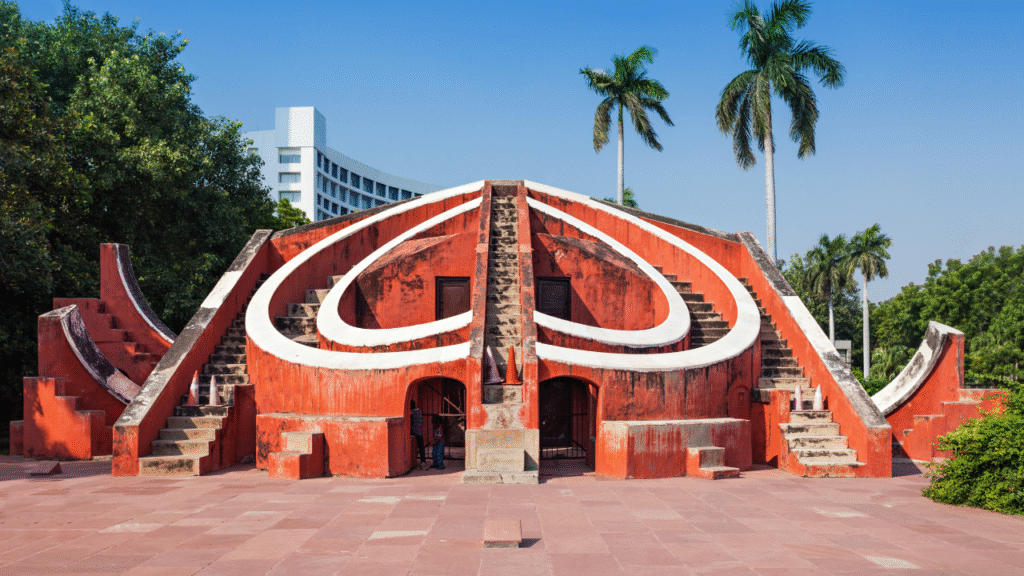
- Jantar Mantar: Astronomical observatory. Built by Maharaja Jai Singh II of Jaipur. Completed in 1734.
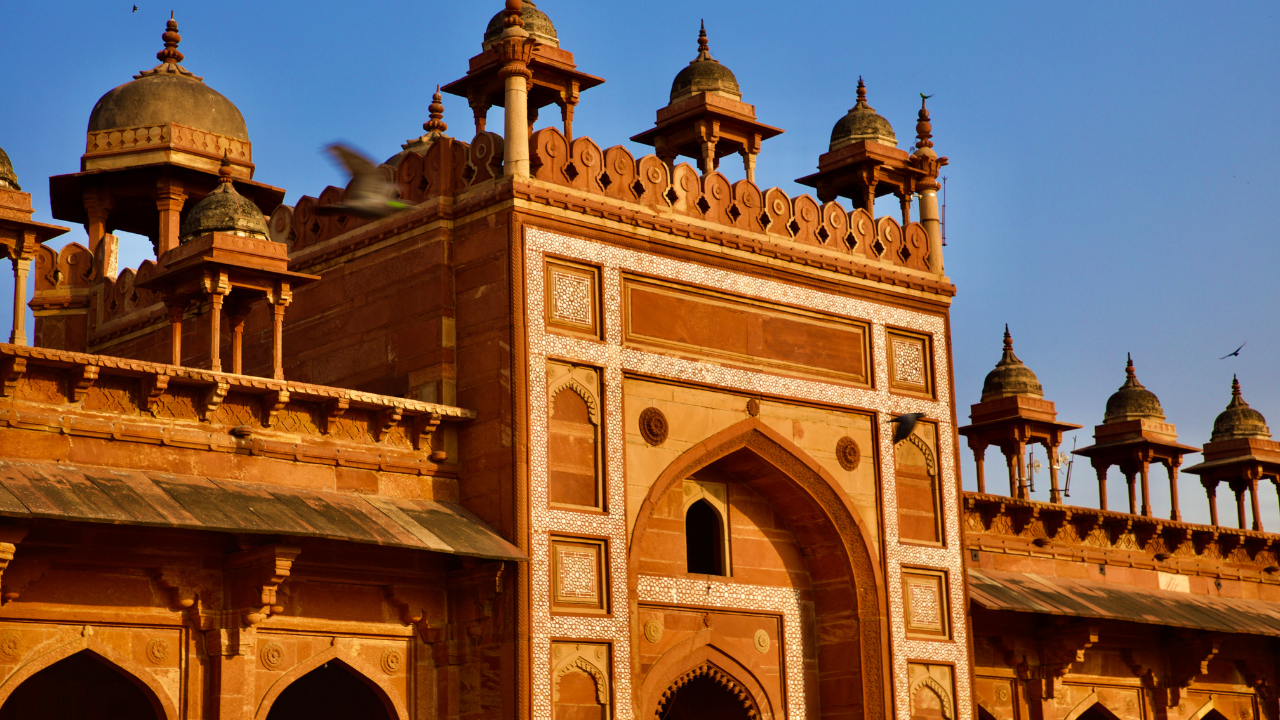
- Fatehpur Sikri: Built by Akbar in 16th century. Capital of Mughal Empire from 1571–1585. Also known as Fatehabad (City of Victory).
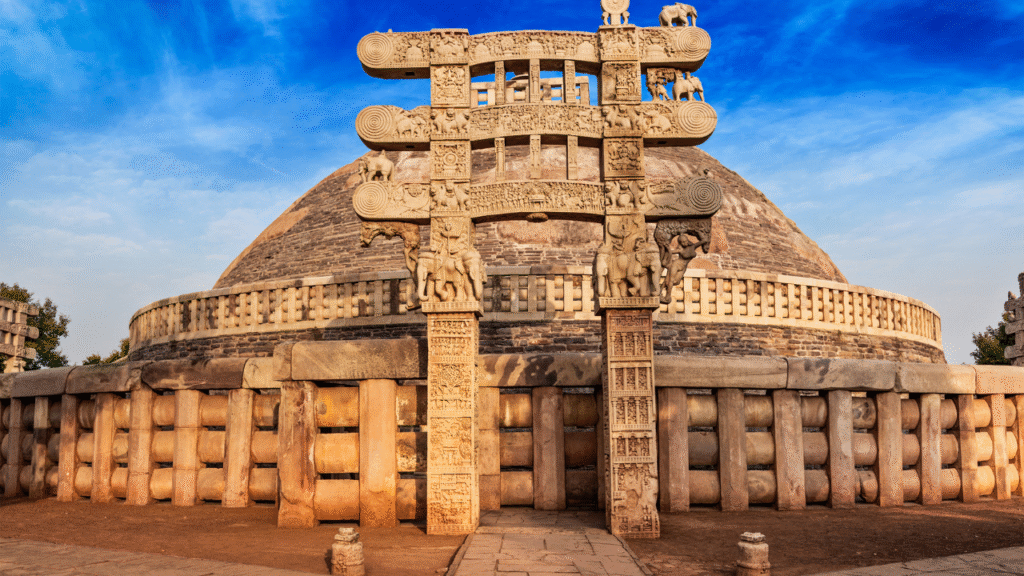
- Sanchi Stupa: Associated with Buddhism. Built by Maurya emperor Ashoka in 3rd century BC. Motif appears on new Rs 200 note.
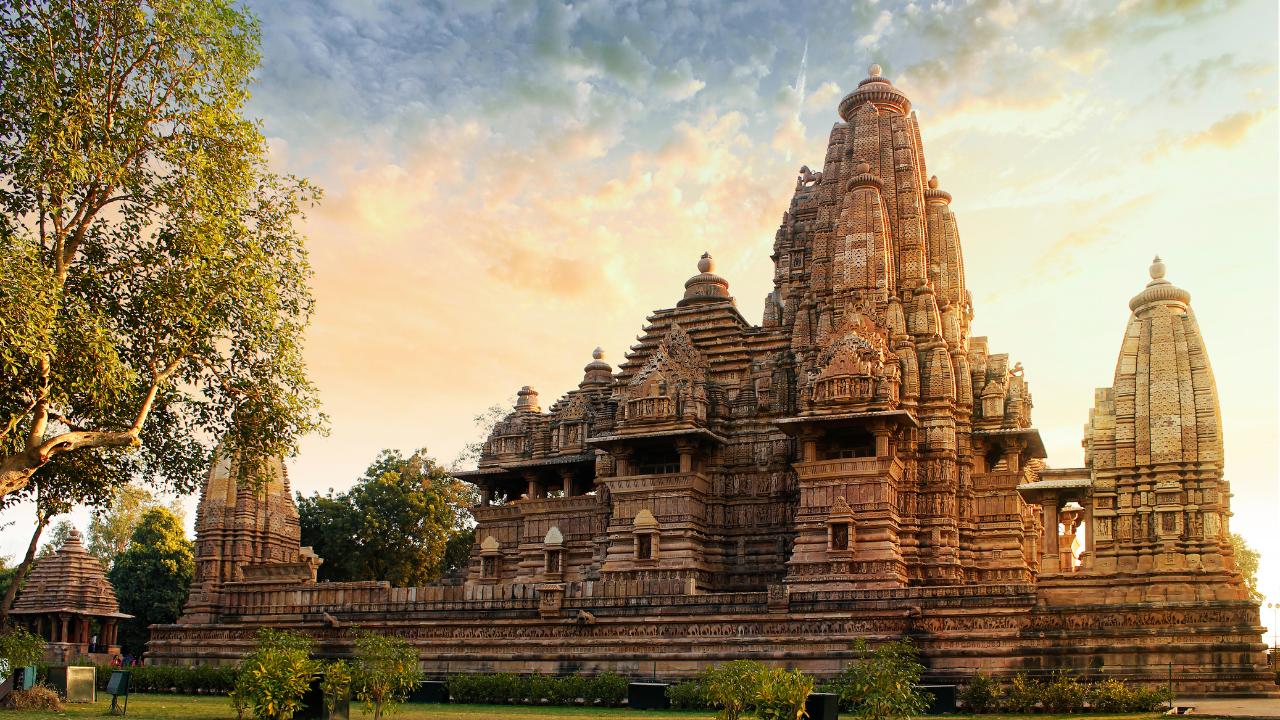
- Khajuraho: In Chhatarpur district, MP. Associated with Hindu and Jain religions. Built by Chandela dynasty between 900–1130 AD.
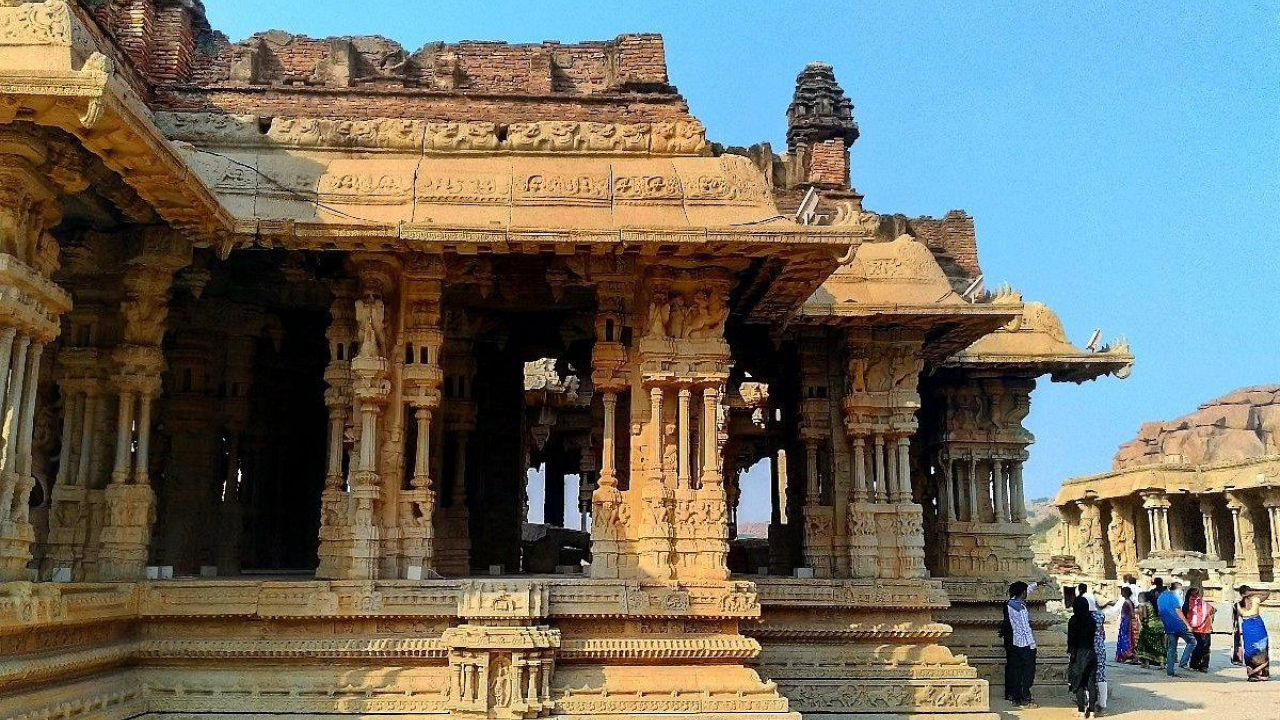
- Hampi: Capital of Vijayanagara Empire in 14th century. Built by Harihara and Bukkaraya on banks of Tungabhadra River. Chariot motif on Rs 50 note.
🦏 Natural Sites — Key Facts
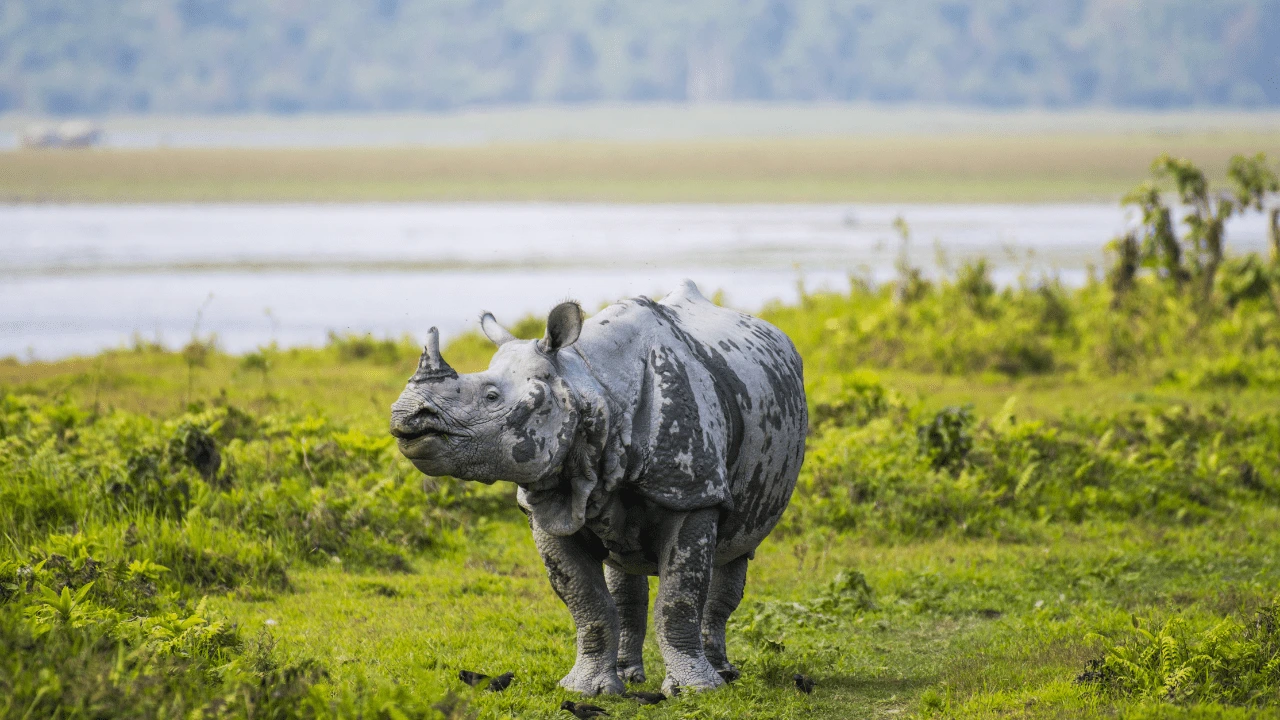
- Kaziranga National Park: Home to two-thirds of the world’s great one-horned rhinoceros. Assam.
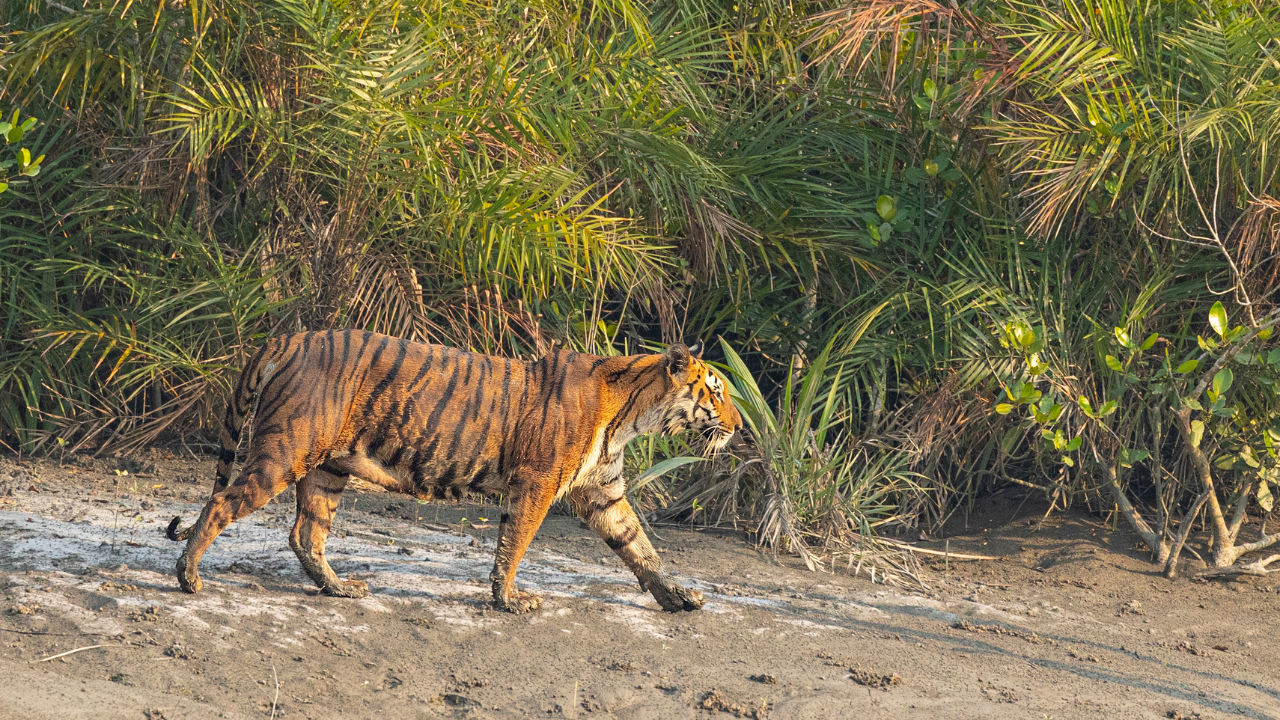
- Sundarbans: Known for world’s largest mangrove forests. Famous for Royal Bengal Tiger. West Bengal.
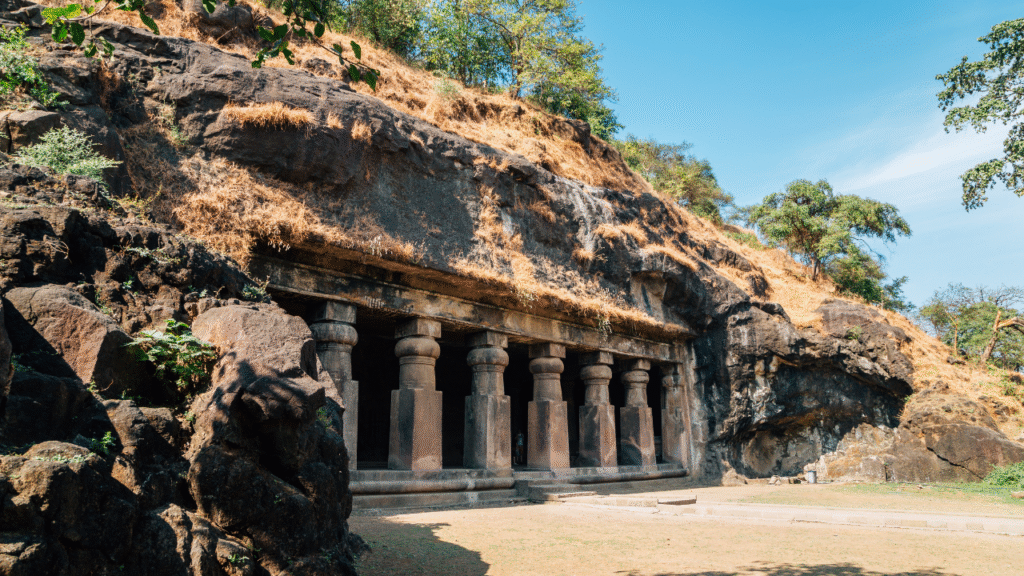
- Elephanta Caves: Located on Elephanta Island, 10 km east of Mumbai, Maharashtra. Also known as Gharapuri. On shore of Arabian Sea. Built by Rashtrakuta rulers between 5th and 6th centuries AD. Name given by the Portuguese because of stone elephant built here.
- Ellora Caves: Built by Rashtrakutas. Have 34 monasteries and temples divided into three groups — Hindu, Buddhism, and Jain.
- Ajanta Caves: Discovered in 1819. Carved in Sahyadri mountain range. Figures related to Buddhism. Paintings don’t use Blue colour. Based on life of Buddha and Jataka stories.
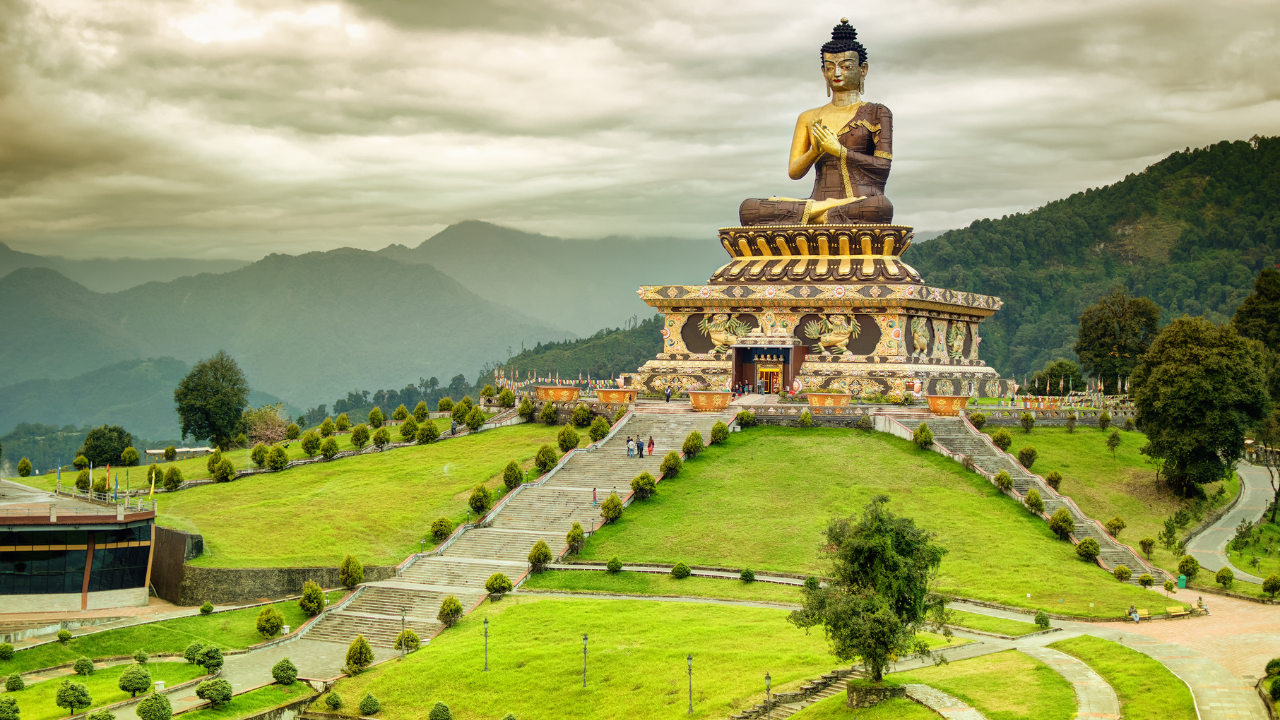
- Kanchenjunga National Park: Only Mixed (natural & cultural) UNESCO World Heritage Site in India. Sikkim.
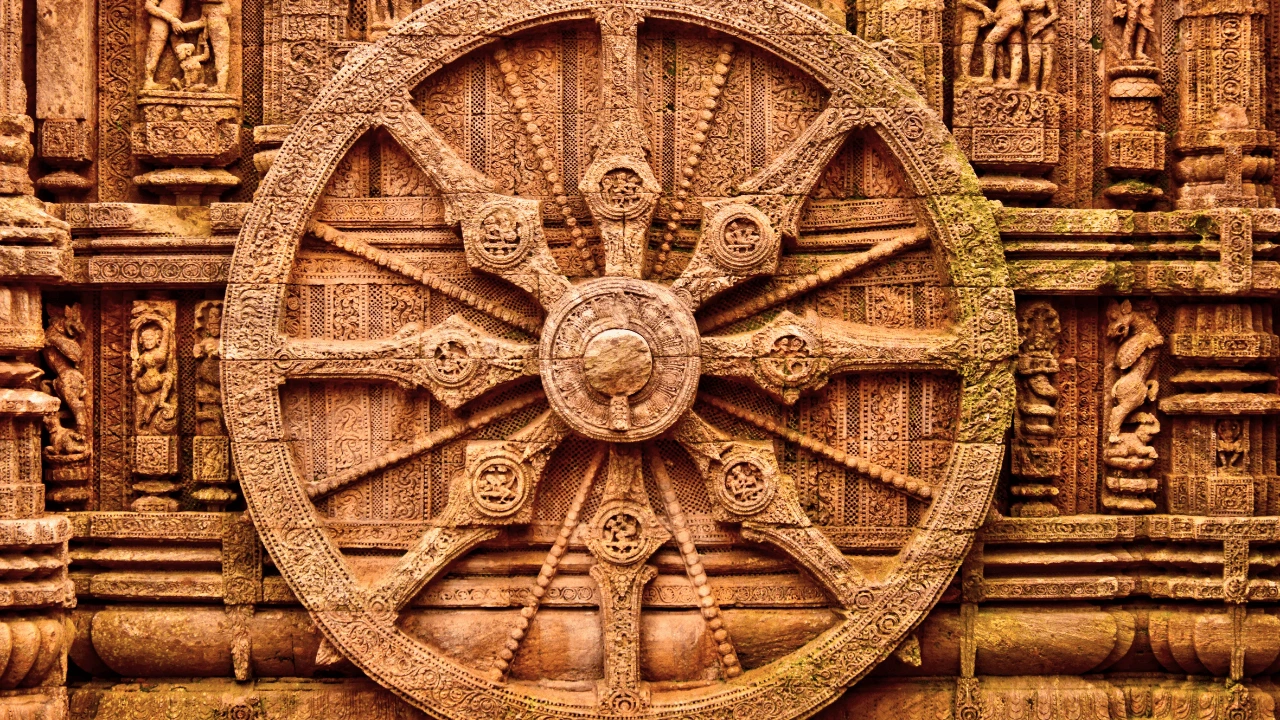
- Konark Sun Temple: Built in 1250 AD by King Narasimhadeva I. Also known as the “Black Pagoda”. Odisha.
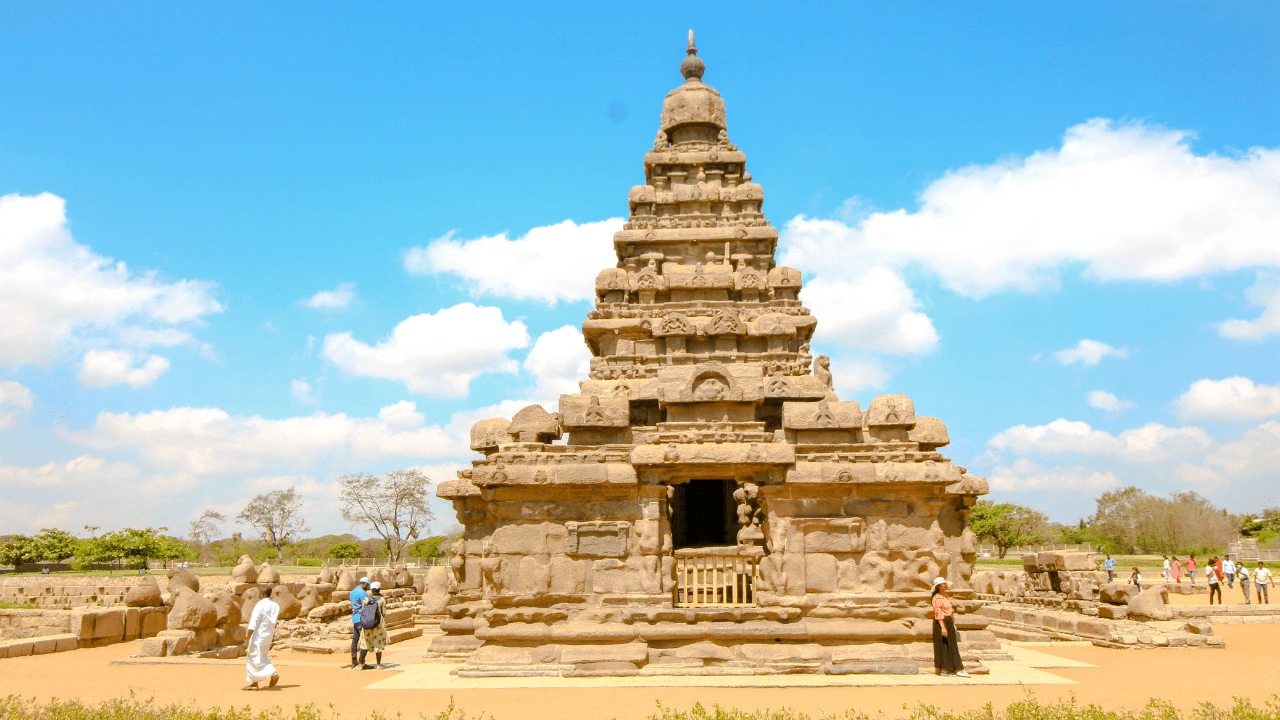
- Mahabalipuram: Built by Pallava kings in 7th and 8th centuries on rock-cut monuments along Coromandel Coast (Bay of Bengal). Tamil Nadu.
Latest news and additions to the UNESCO World Heritage list relevant to India
44th World Heritage Site NEW
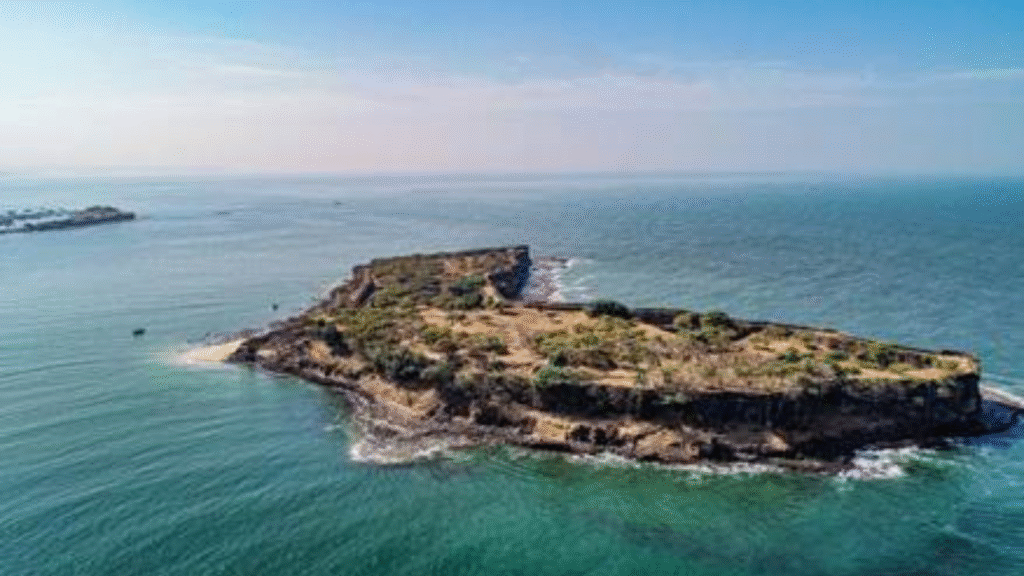
Maratha Military Landscapes of India (2025) — consisting of 11 forts in Maharashtra (Raigad, Rajgad, Pratapgad, Panhala, Shivneri, Lohgad, Salher, Sindhudurg, Suvarnadurg, Vijaydurg, Khanderi) and 1 in Tamil Nadu (Gingee Fort). Inscribed July 2025.
43rd World Heritage Site 2024
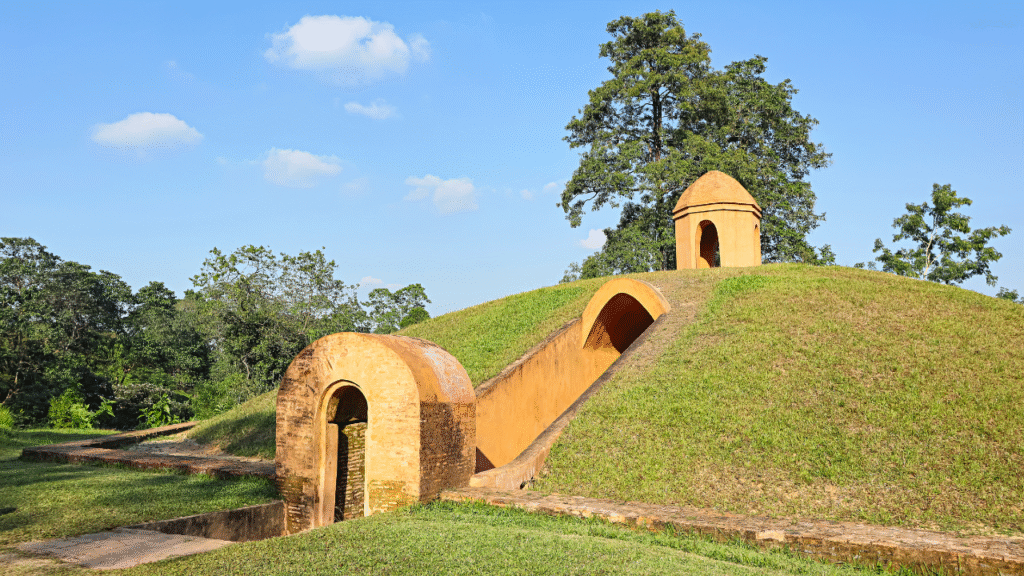
Moidam, Assam (2024) — A mound-burial system of the Ahom dynasty. Included in the Cultural category of the UNESCO World Heritage Site List.
42nd & 41st Sites (2023)
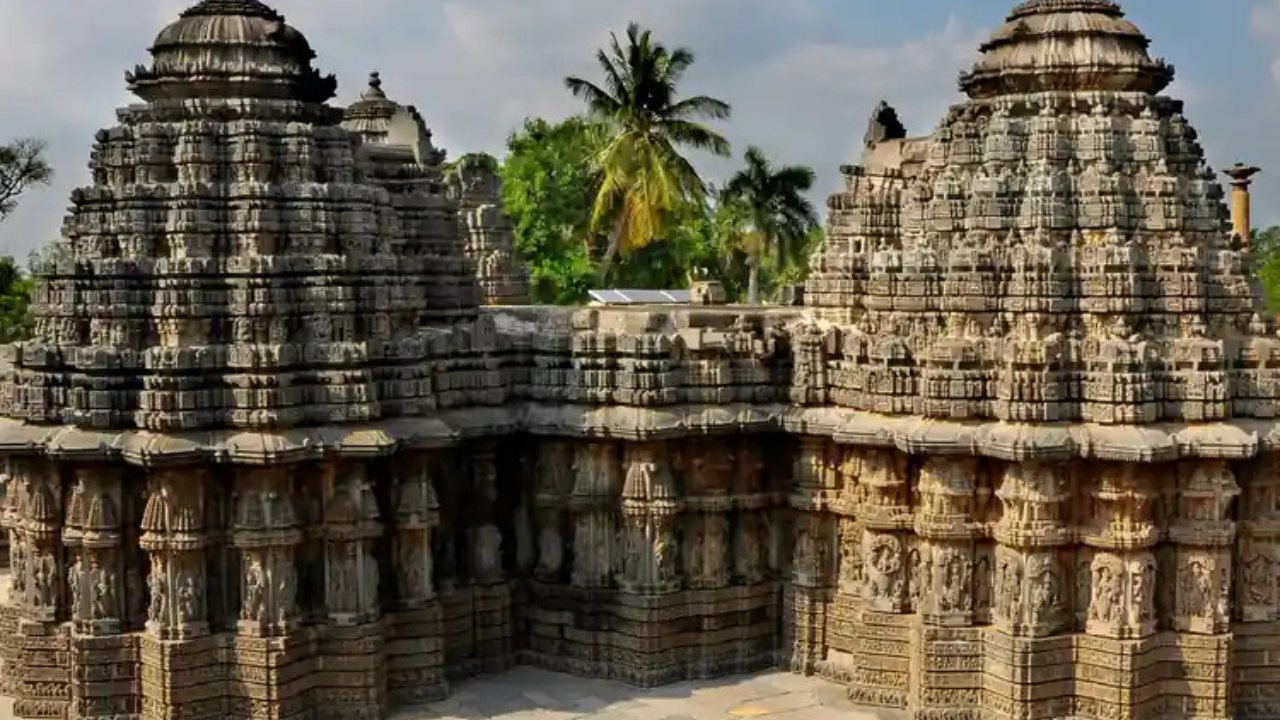
42nd: Sacred Group of Temples of the Hoysalas (Karnataka) — 2023
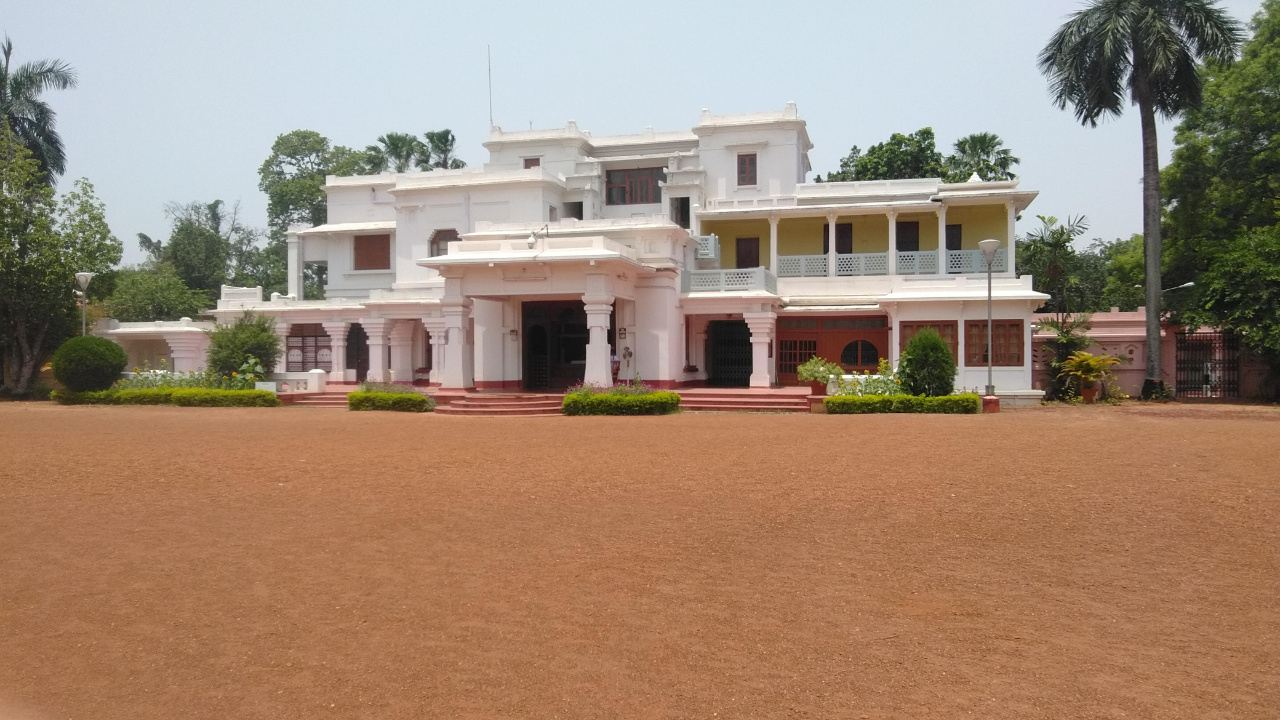
41st: Shantiniketan (West Bengal) — 2023
UNESCO Recognized: Gujarat’s Garba
Gujarat’s Garba dance has been recognised by UNESCO as an Intangible Cultural Heritage.
Memory of World Register
Shrimad Bhagwat Gita and Bharat Muni’s Natyashastra have been included by UNESCO in its Memory of the World Register.
New Geoparks & Wetland Cities
UNESCO recognized 16 new Global Geoparks on 17 April 2025 (total: 229). The Ramsar Convention has recognized Indore and Udaipur as Wetland Cities.
West Bengal — Top Heritage Tourist Destination
UNESCO has declared West Bengal as the top heritage tourist destination.
Kozhikode — City of Literature
Kozhikode has become India’s first ‘City of Literature’ in the UNESCO Creative Cities Network.
African Sites Removed from Danger List (2025)
In July 2025, UNESCO removed three African sites — Atsinanana Rainforest (Madagascar), Abu Mena (Egypt), and Ghadames old city (Libya) from the list of sites in danger.
Based on Ravi Aditi Classes content — Q.1 to Q.62 key questions
44 UNESCO World Heritage Sites in India: 35 Cultural · 7 Natural · 1 Mixed
Agra Fort,
Uttar Pradesh - 1983
Taj Mahal,
Uttar Pradesh - 1983
Ajanta Caves,
Maharashtra - 1983
Ellora Caves,
Maharashtra - 1983
Sun Temple, Konark, Odisha - 1984
Group of Monuments at Mahabalipuram, Tamil Nadu - 1984
Kaziranga National Park, Assam -1985
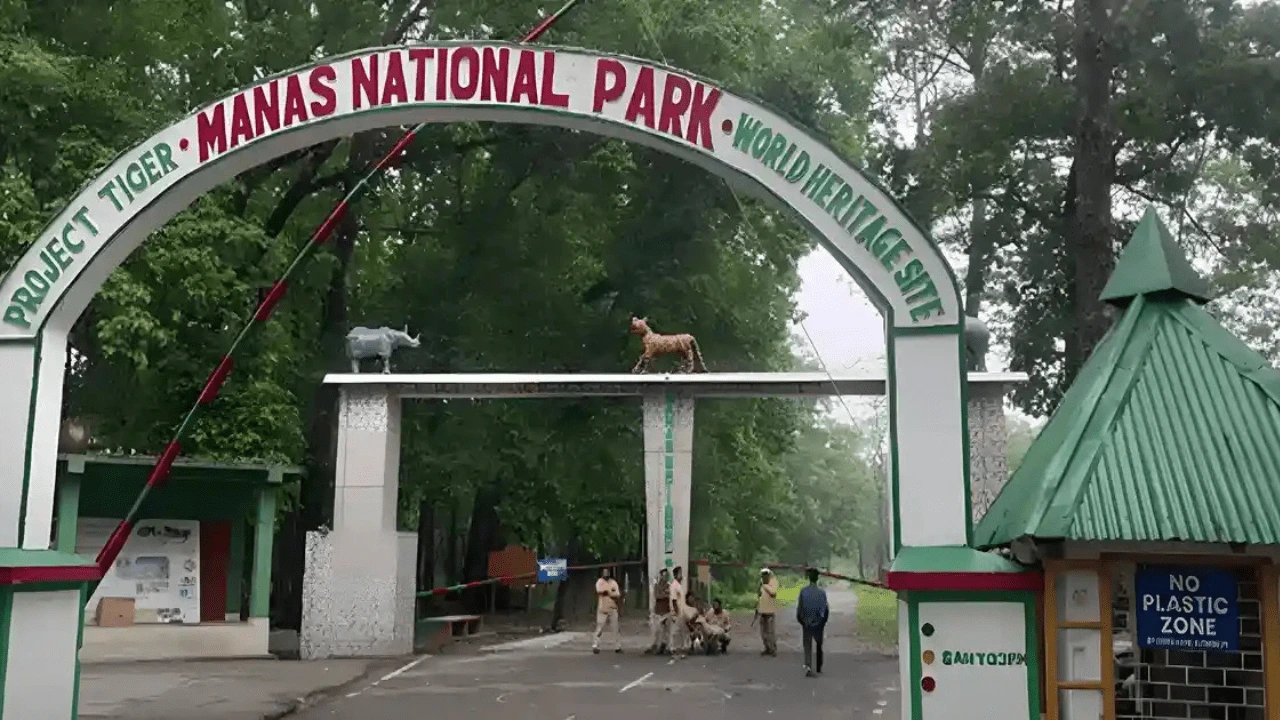
Manas National Park, Assam - 1985
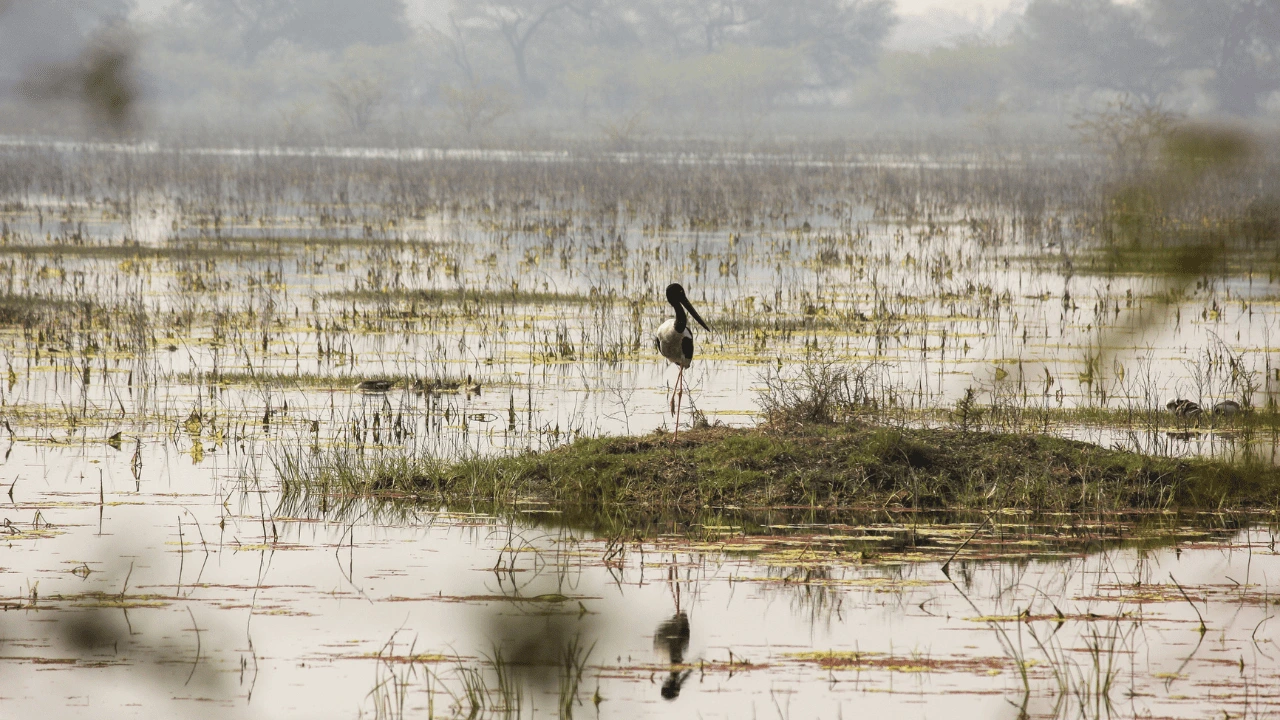
Keoladeo National Park, Rajasthan - 1985
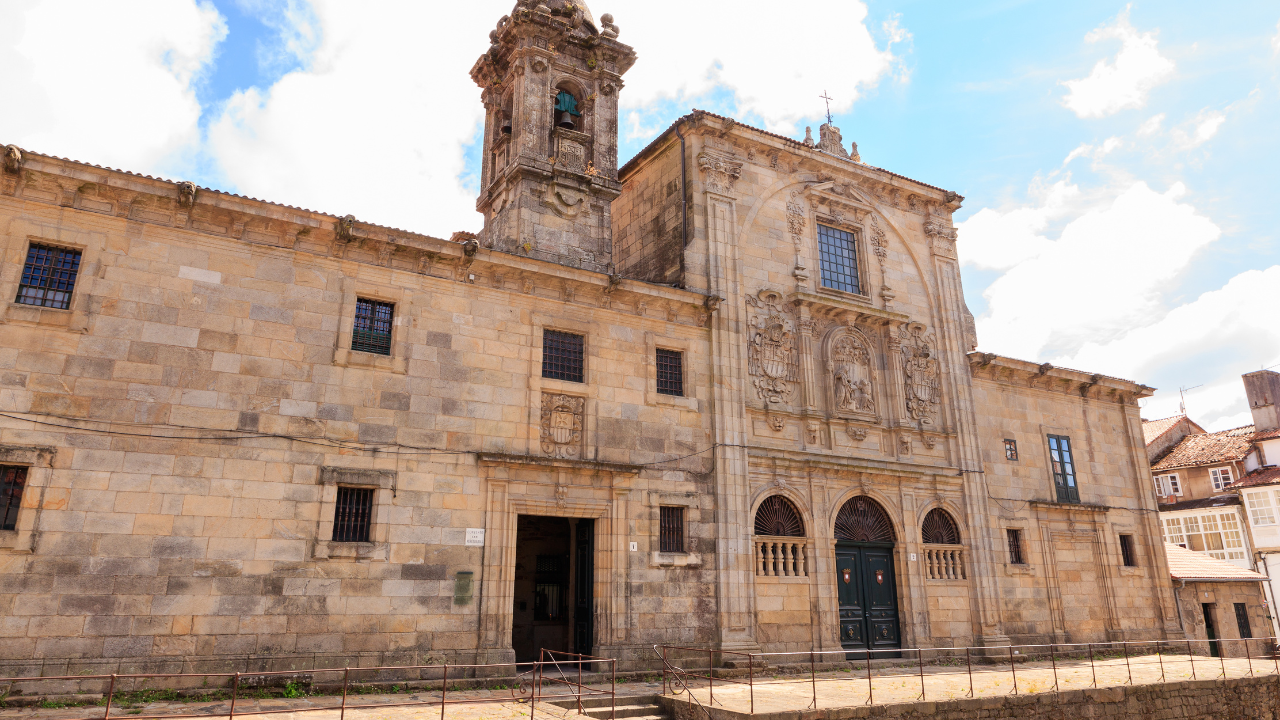
Churches and Convents of Goa, Goa - 1986
Khajuraho Group of Monuments, Madhya Pradesh - 1986
Group of Monuments at Hampi, Karnataka - 1986
Fatehpur Sikri, Uttar Pradesh - 1986
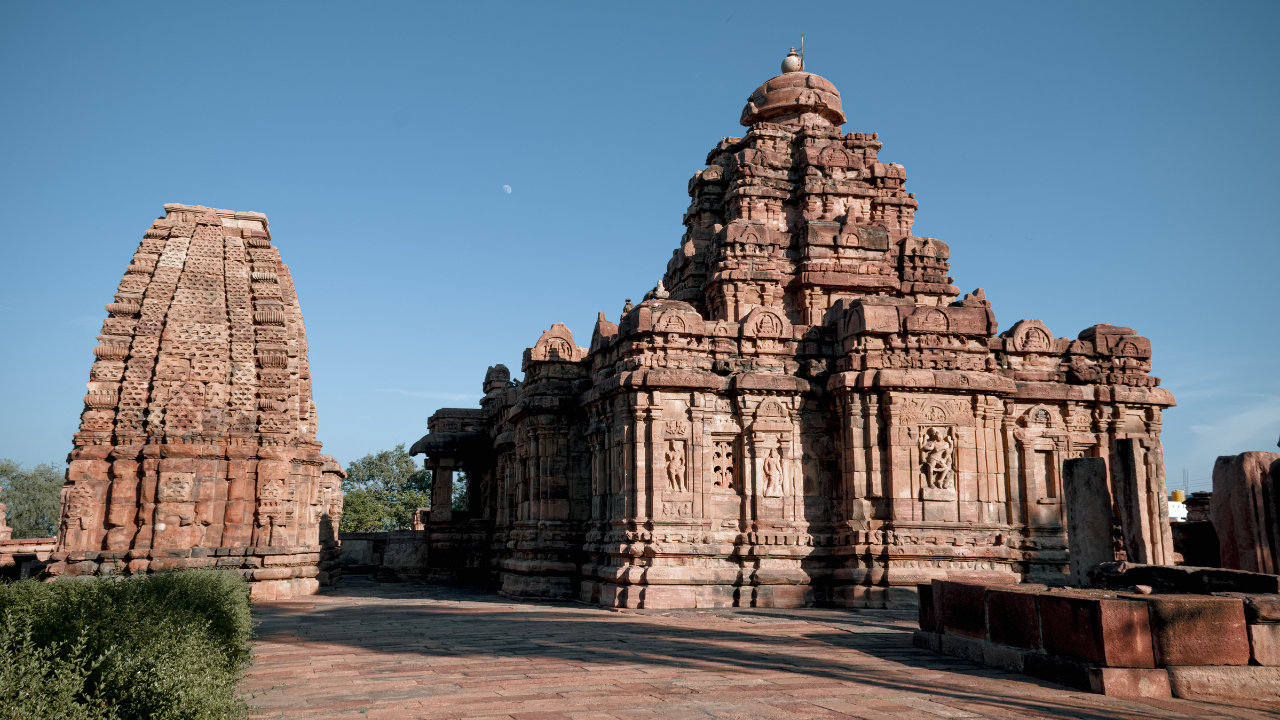
Group of Monuments at Pattadakal, Karnataka - 1987
Elephanta Caves, Maharashtra - 1987
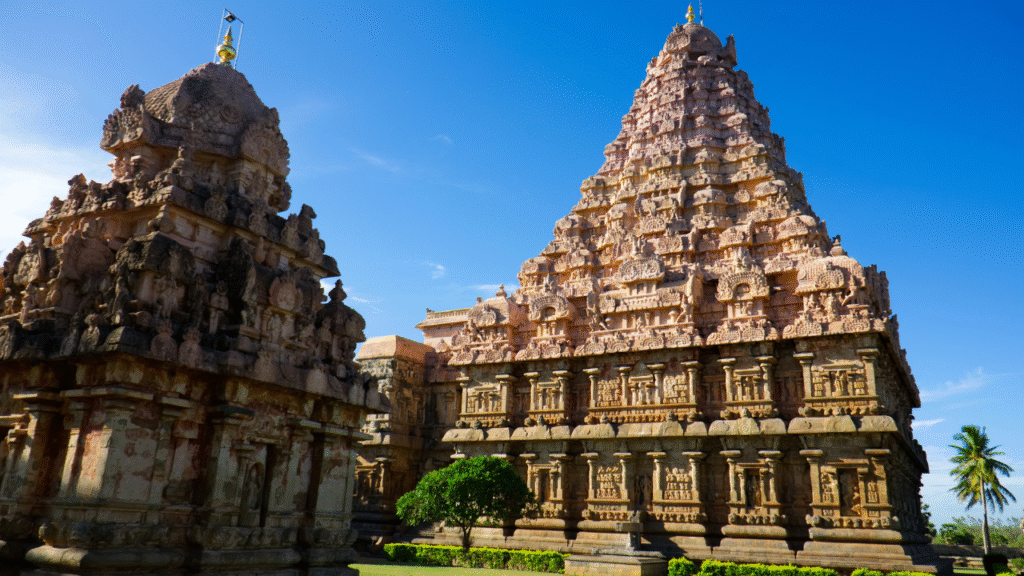
Great Living Chola Temples, Tamil Nadu - 1987
Sundarbans National Park, West Bengal - 1987
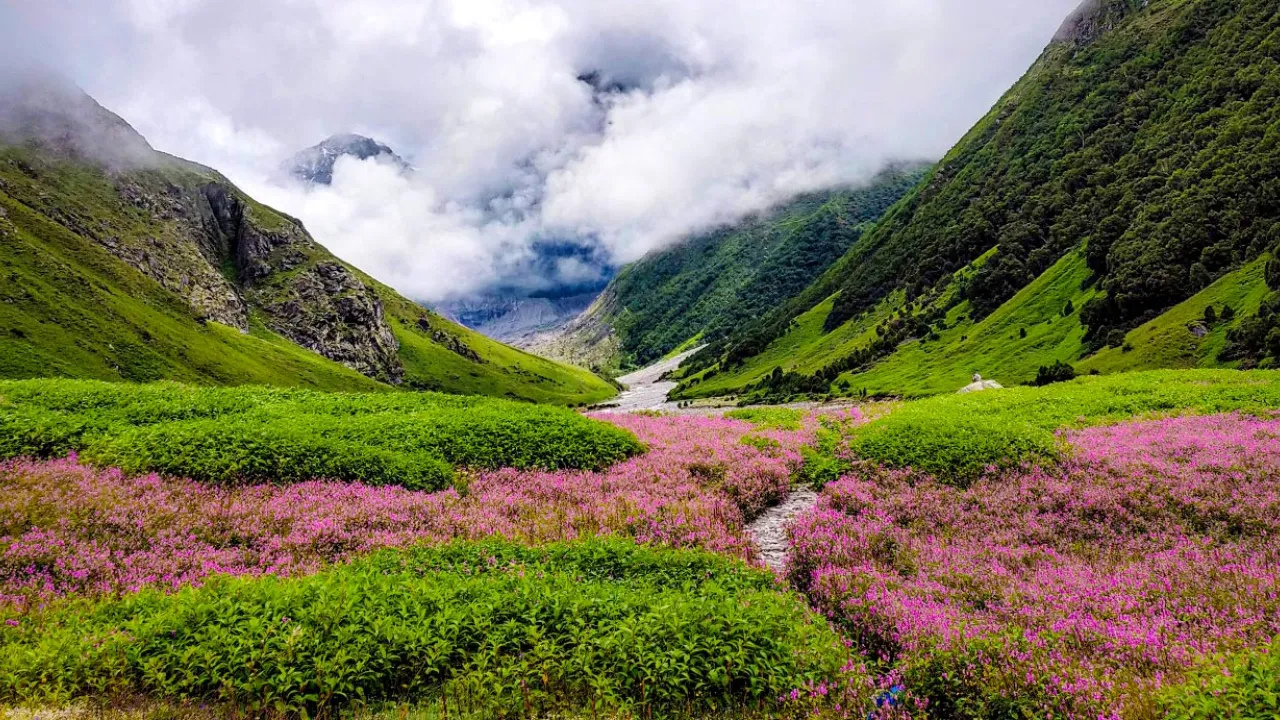
Nanda Devi and Valley of Flowers National Parks, Uttarakhand - 1988
Buddhist Monuments at Sanchi, Madhya Pradesh - 1989
Humayun's Tomb, Delhi - 1993
Qutb Minar and its Monuments, Delhi - 1993
Mountain Railways of India, West Bengal, Tamil Nadu, Himachal Pradesh - 1999
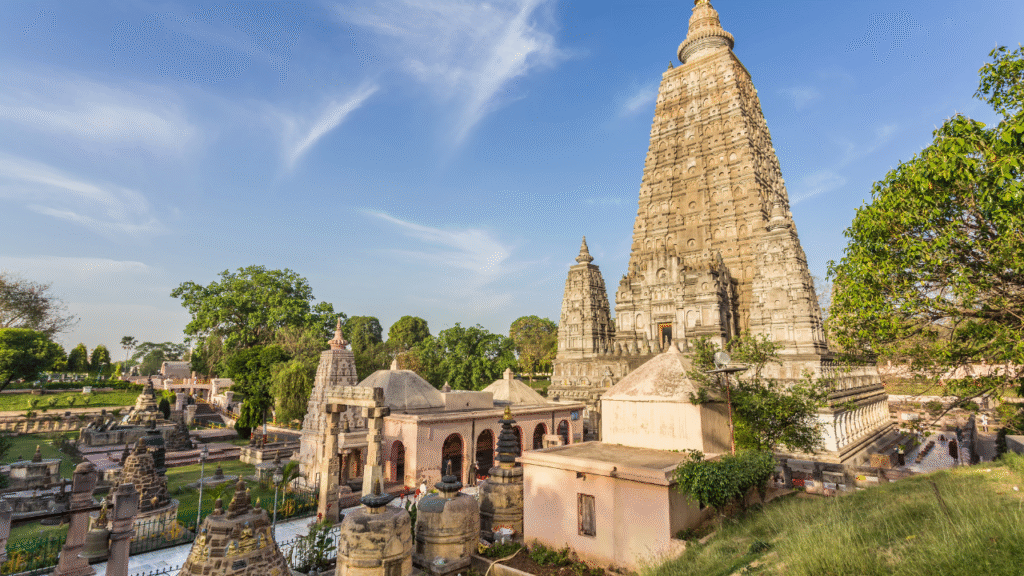
Mahabodhi Temple Complex at Bodh Gaya, Bihar - 2002
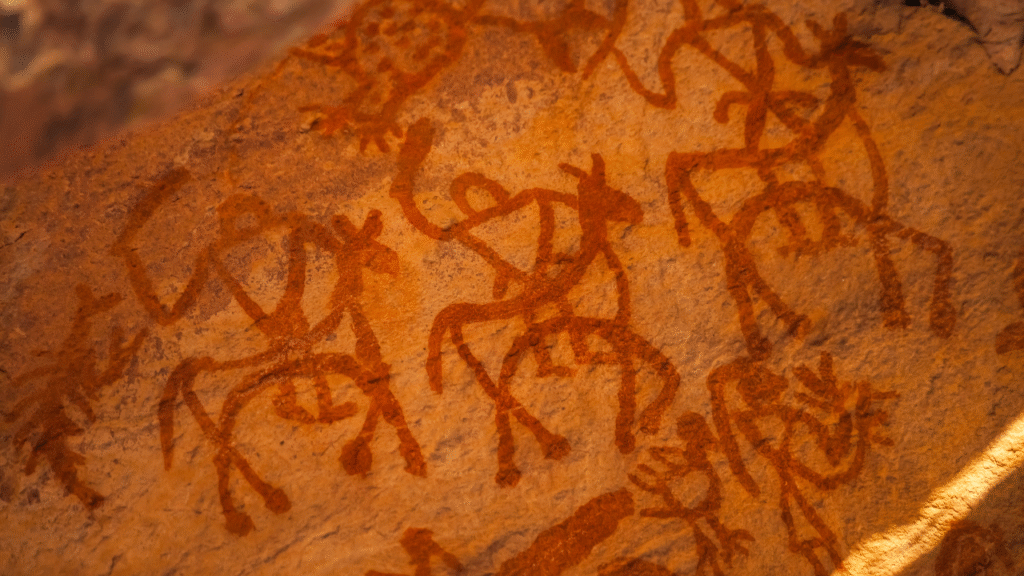
Rock Shelters of Bhimbetka, Madhya Pradesh - 2003
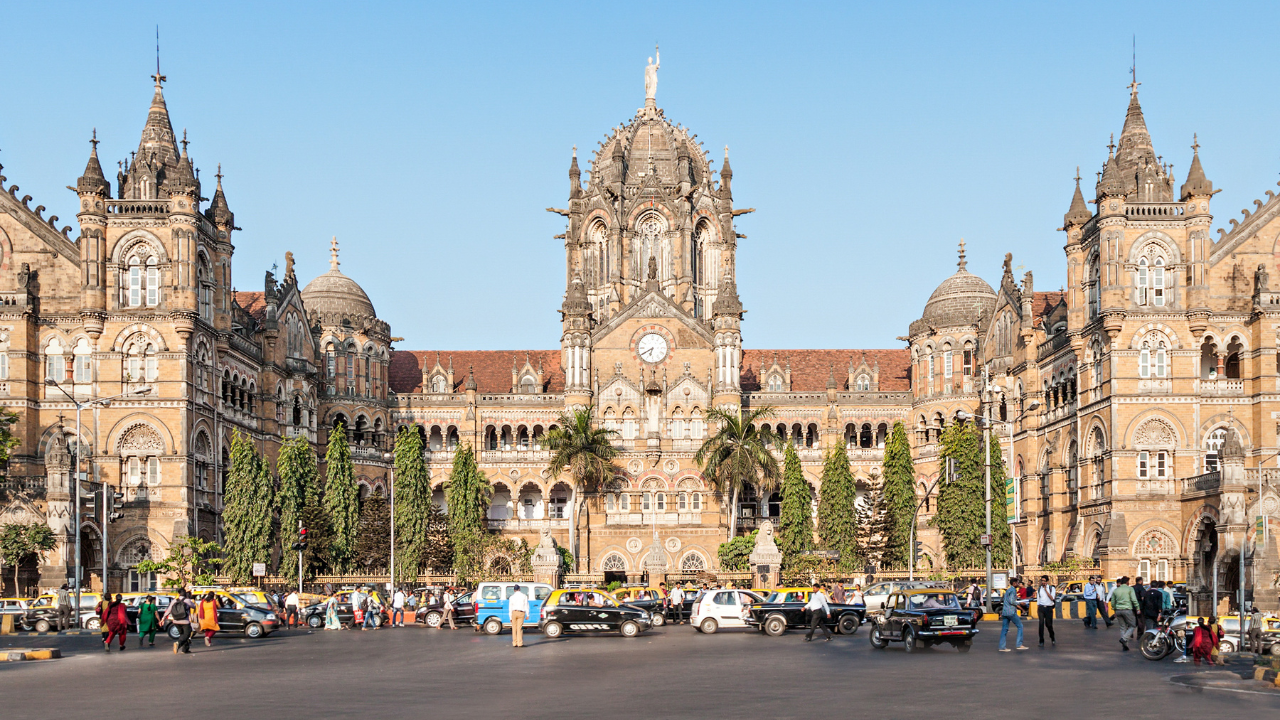
Chhatrapati Shivaji Terminus (formerly Victoria Terminus), Maharashtra - 2004
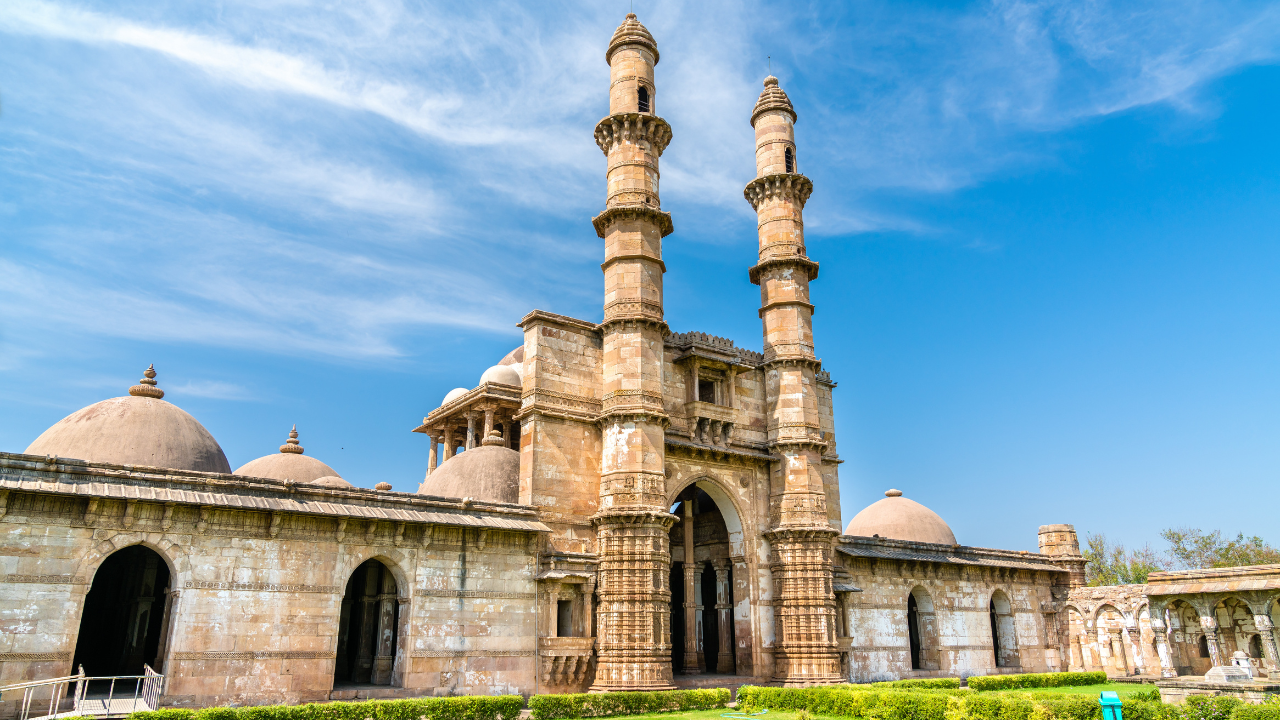
Champaner-Pavagadh Archaeological Park, Gujarat - 2004
Red Fort Complex, Delhi - 2007
The Jantar Mantar, Rajasthan - 2010
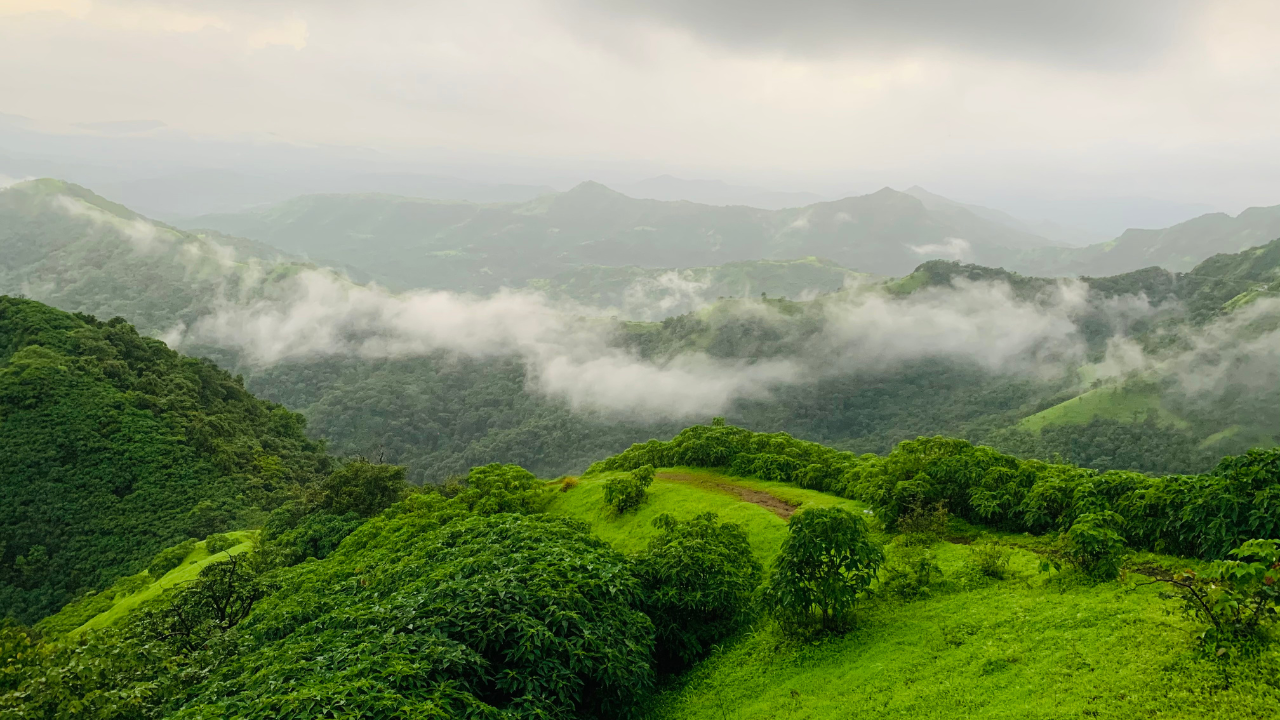
Western Ghats, Maharashtra, Karnataka, Kerala, Tamil Nadu - 2012
Hill Forts of Rajasthan, Rajasthan - 2013
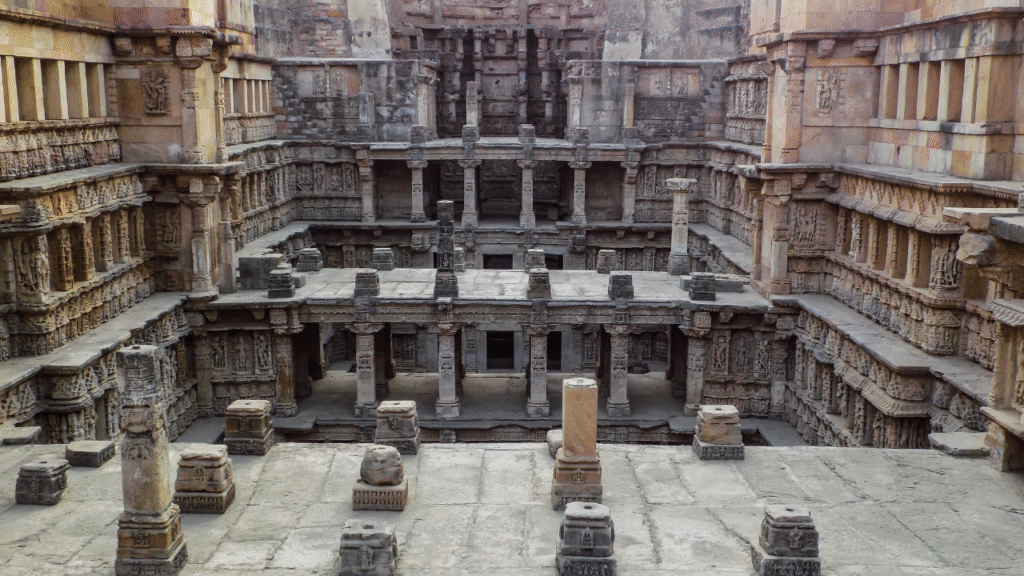
Rani-ki-Vav (the Queen's Stepwell) at Patan, Gujarat - 2014
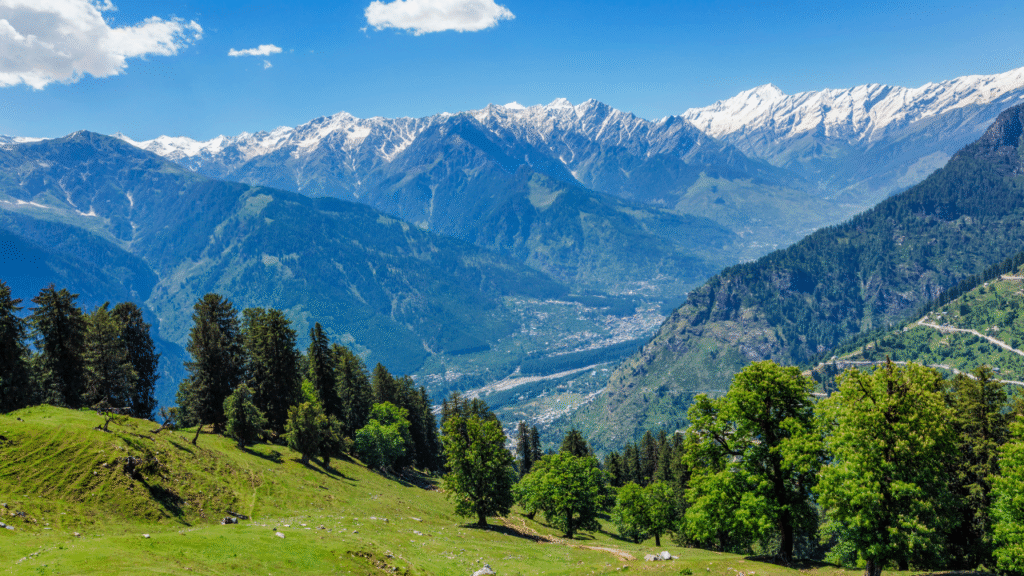
Great Himalayan National Park Conservation Area, Himachal Pradesh - 2014
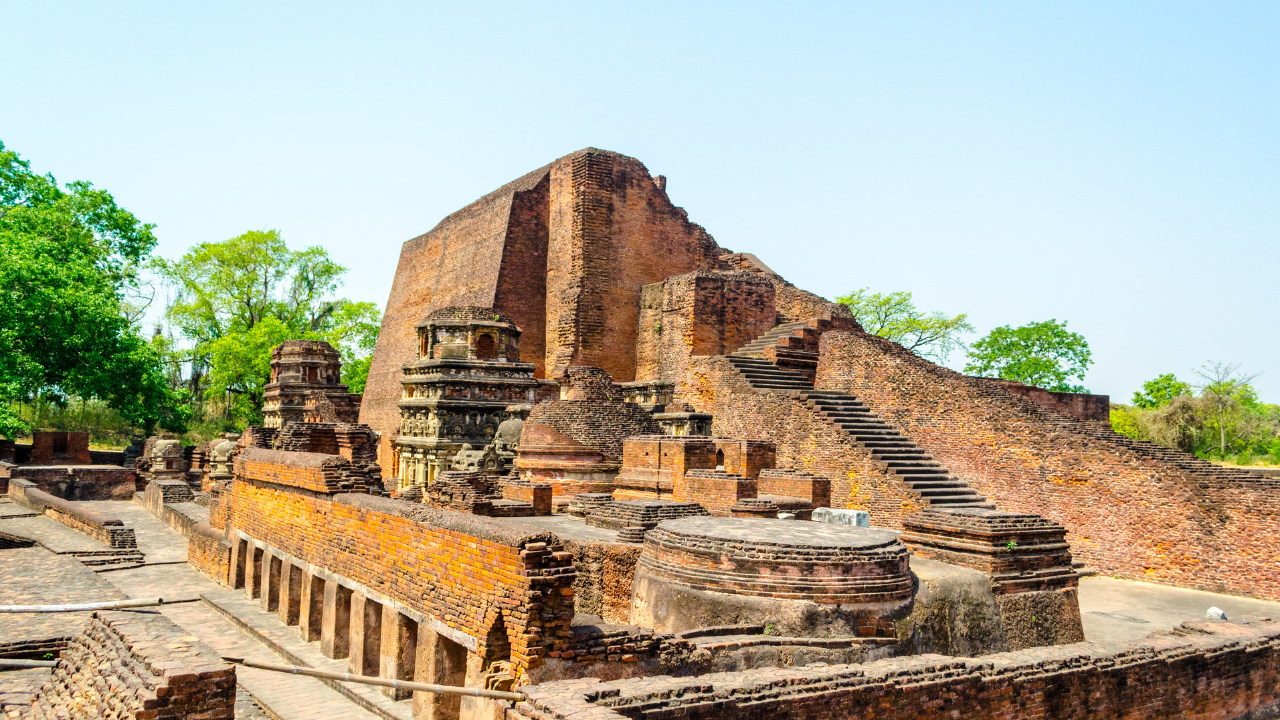
Archaeological Site of Nalanda Mahavihara at Nalanda, Bihar - 2016
Khangchendzonga National Park, Sikkim - 2016
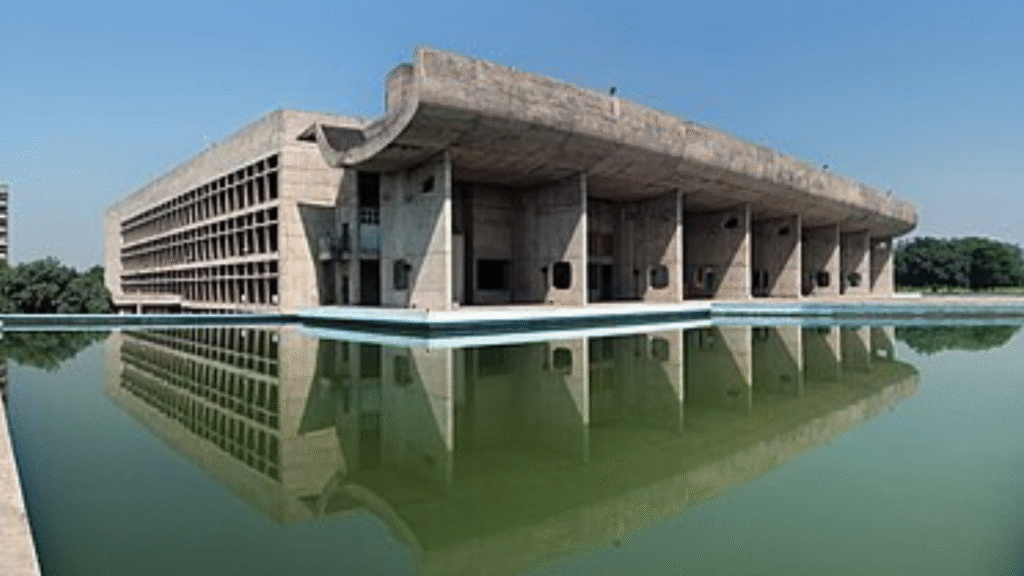
The Architectural Work of Le Corbusier, an Outstanding Contribution to the Modern Movement, Chandigarh - 2016
Historic City of Ahmedabad, Gujarat - 2017
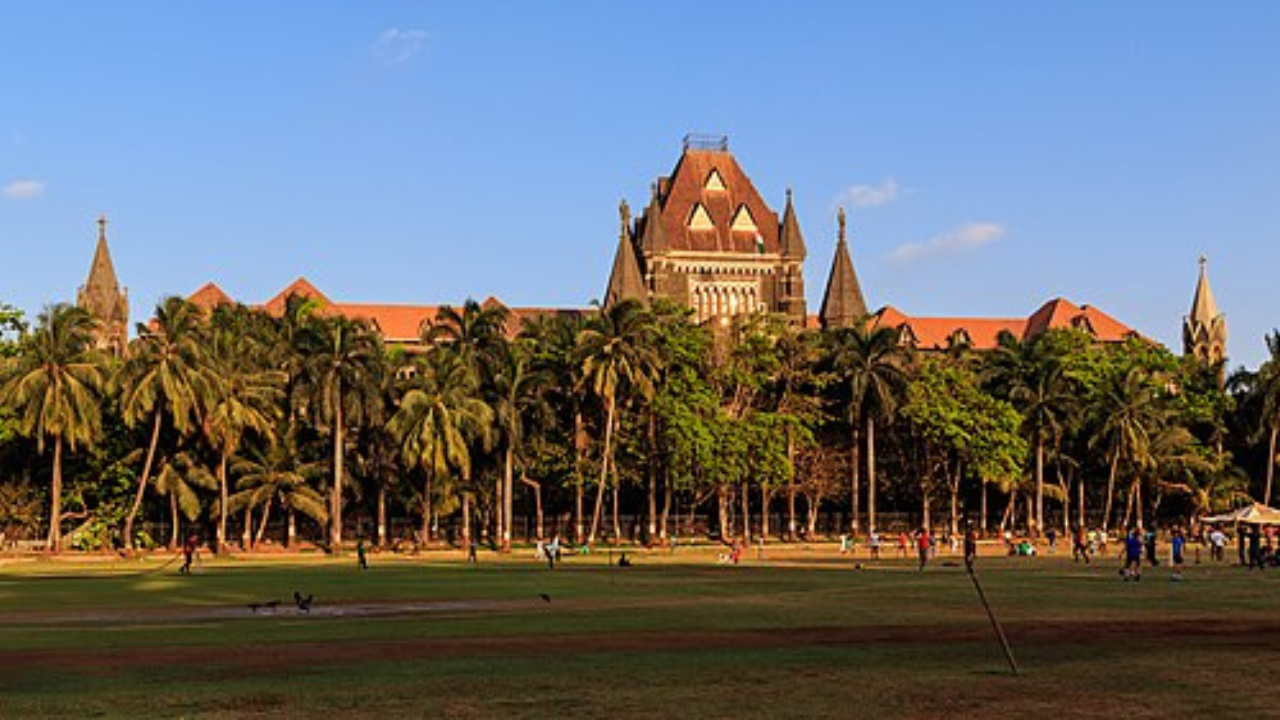
Victorian Gothic and Art Deco Ensembles of Mumbai, Maharashtra - 2018
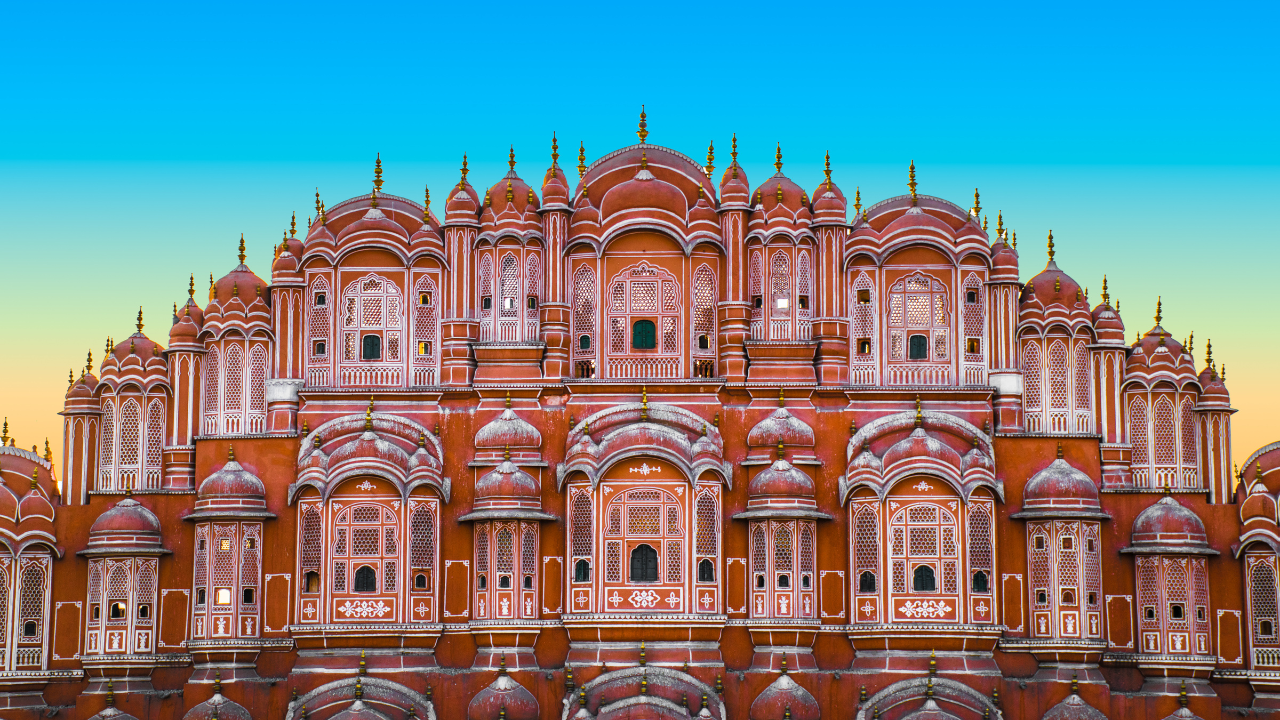
Jaipur City, Rajasthan - 2019
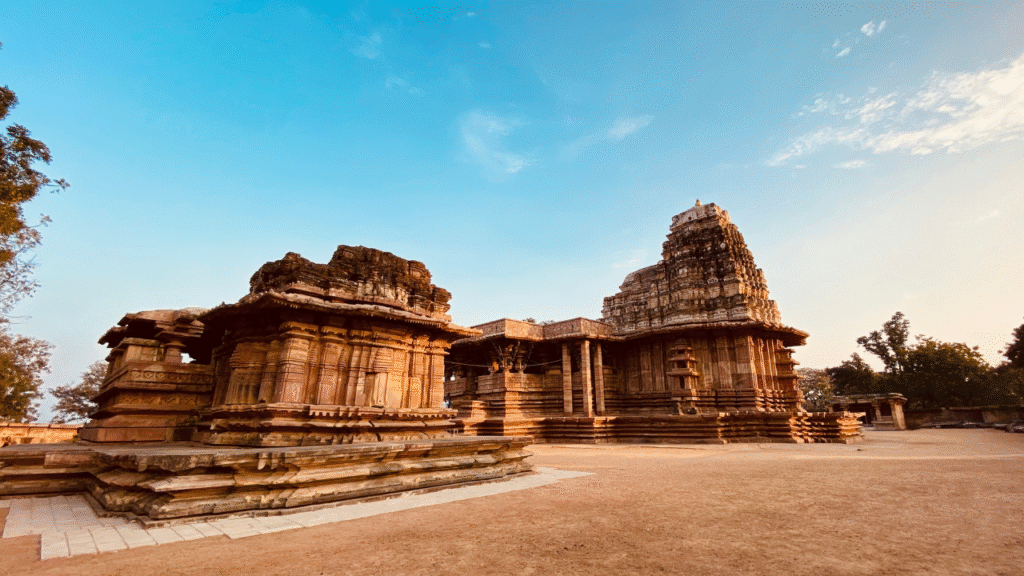
Kakatiya Rudreshwara (Ramappa) Temple, Telangana - 2021
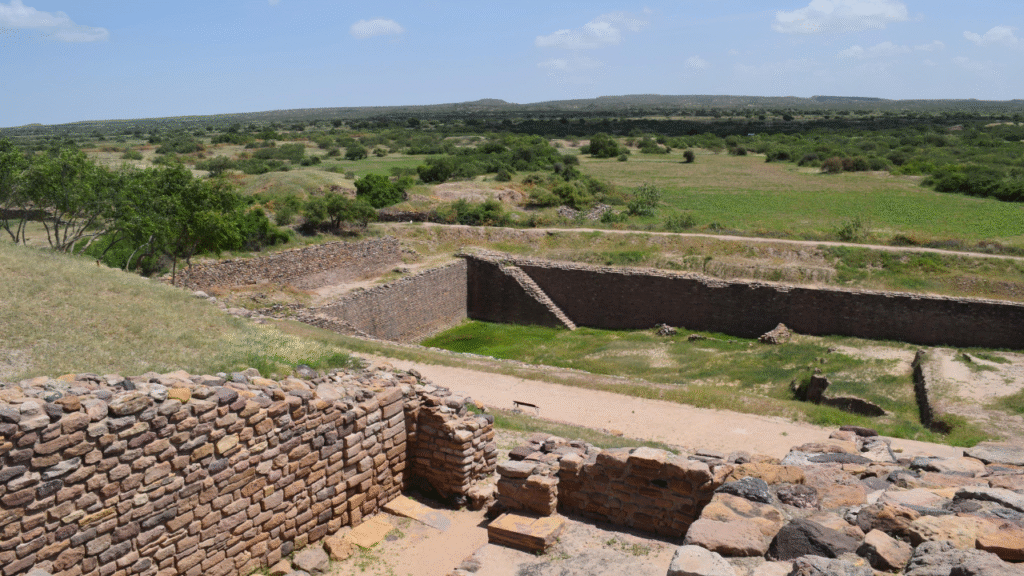
Dholavira: a Harappan City, Gujarat - 2021
Santiniketan, West Bengal - 2023
Sacred Ensembles of the Hoysalas, Karnataka - 2023
Moidams – the Mound-Burial system of the Ahom Dynasty, Assam - 2024